
 English
 русский
 Español


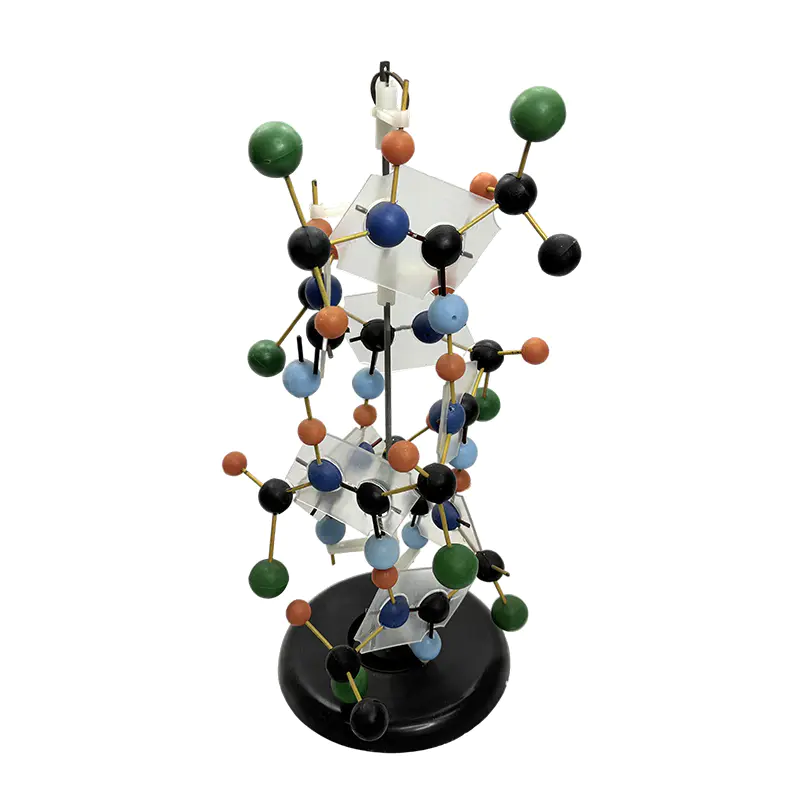
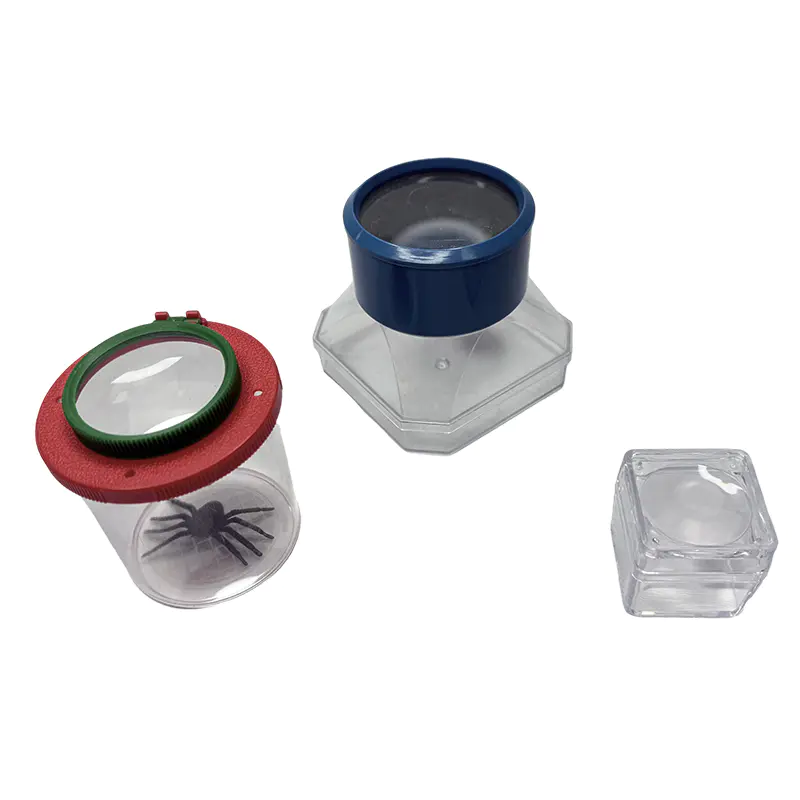
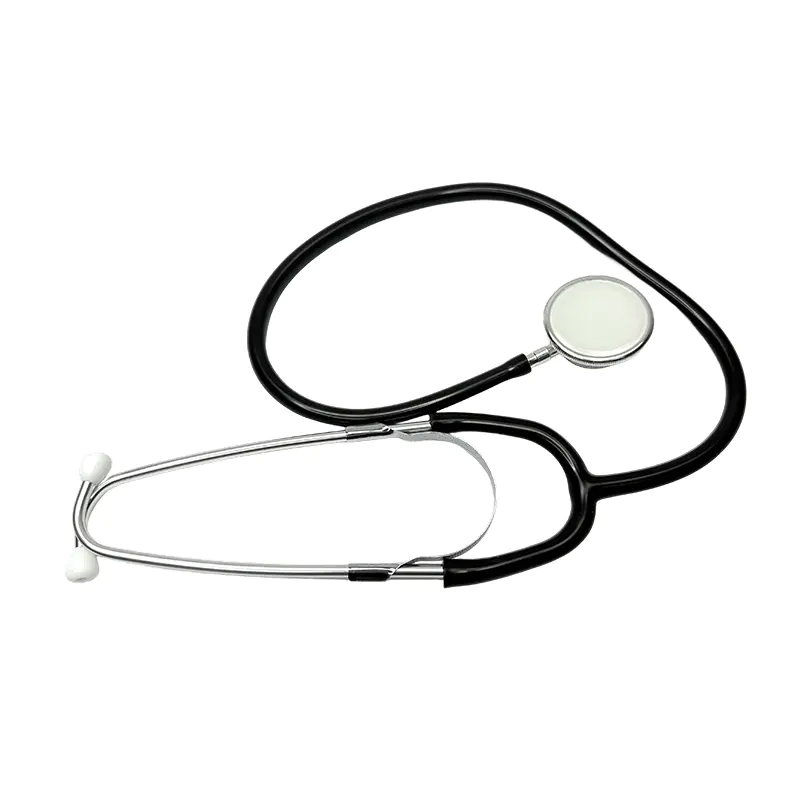
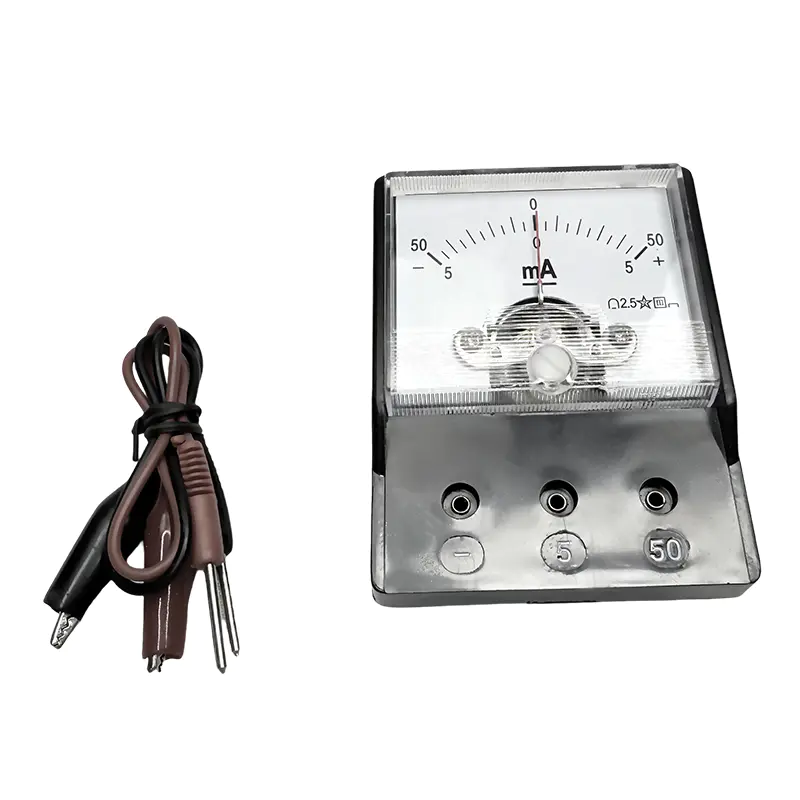
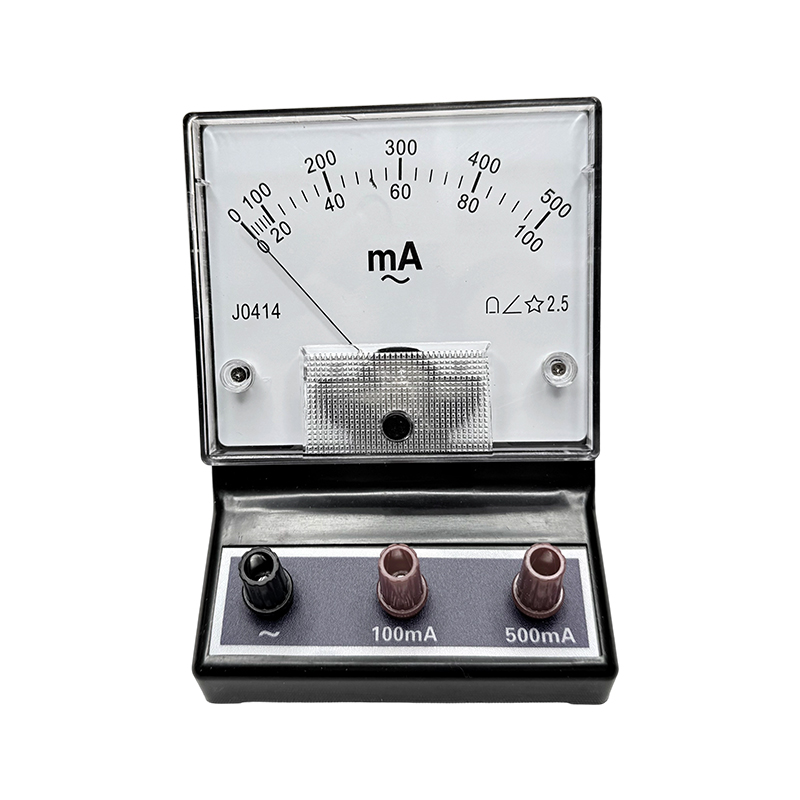
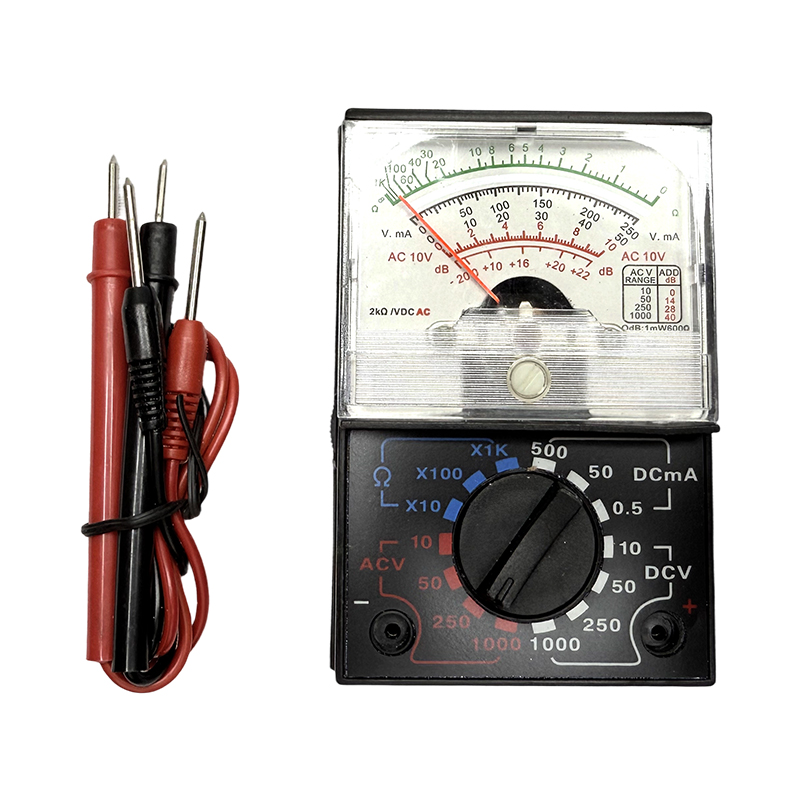
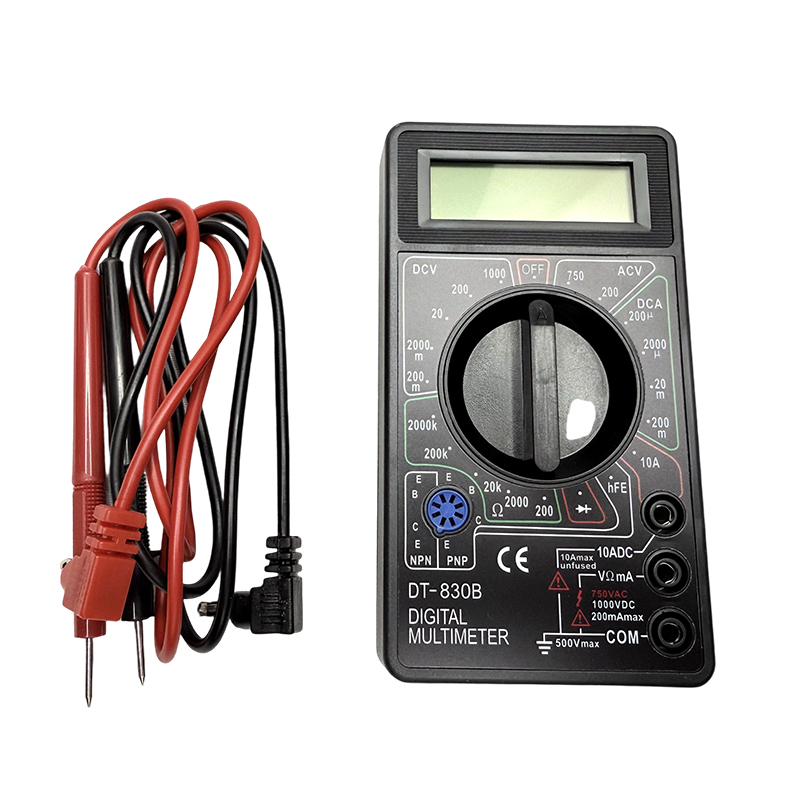
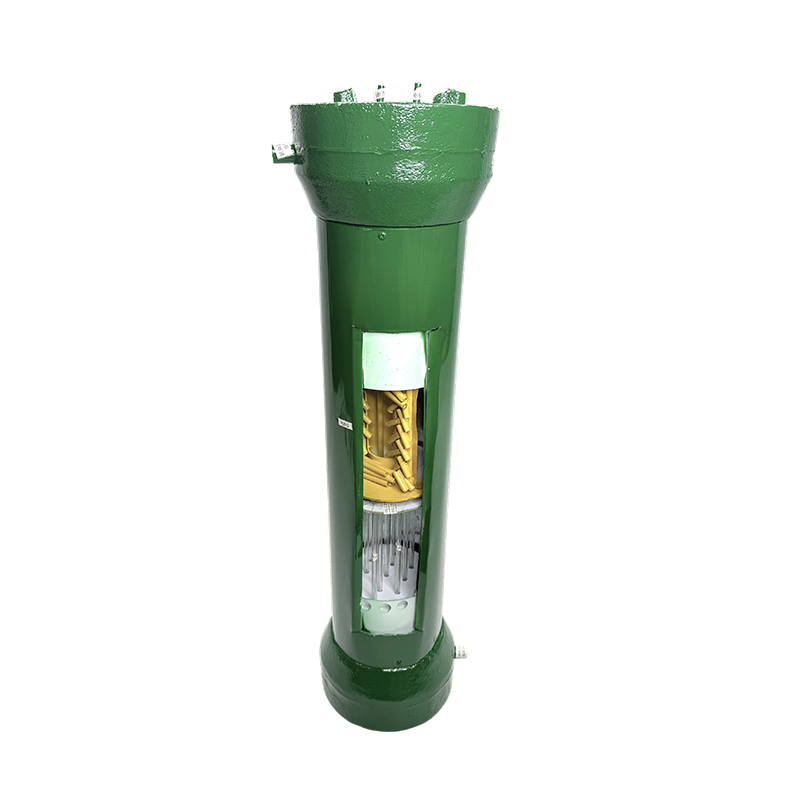

Yuyao Xueyou Teaching Instrument Co., Ltd., established in 2008, is a comprehensive enterprise specializing in the research, development, production, sales, and service of teaching instruments. The company is located in Yuyao City, Ningbo, Zhejiang Province, benefiting from an excellent geographical location and convenient transportation, which provides strong support for the company's business development.
As a professional OEM Electrical component black box/middle school physics / laboratory instruments Manufacturers and ODM Electrical component black box/middle school physics / laboratory instruments Factory, The company boasts modern production facilities and advanced equipment, covering an area of 10,000 square meters. It has gathered a group of highly qualified professionals, including R&D engineers, technical workers, and a marketing team, who possess rich industry experience and an innovative spirit, providing a solid foundation for the company's continuous development. The company is a member of the China Educational Equipment Industry Association and has obtained ISO9001:2008 Quality Management System Certification, ISO14001:2004 Environmental Management System Certification, and GB/T28001-2001 Occupational Health and Safety Management System Certification. It has also been honored with numerous awards for quality and reputation in Zhejiang Province and Ningbo City.
The company's main products cover teaching instruments for various subjects such as physics, chemistry, biology, mathematics, and geography, with a complete range of varieties and specifications to meet the teaching needs of different levels and types of schools. We focus on product innovation and R&D, continuously launching new products with independent intellectual property rights to enhance teaching effectiveness and students' learning interest. At the same time, the company provides comprehensive pre-sales consultation, in-sales support, and after-sales service to ensure that customers receive timely and professional assistance during the purchase and use process.
We specialize in custom Electrical component black box/middle school physics / laboratory instruments and other teaching equipment, The company's products not only occupy a significant share in the domestic market but are also exported to more than thirty countries and regions, including Europe, America, Russia, the Middle East, Southeast Asia, Africa, and South America. The quality and reputation of our products have been consistently praised by customers both at home and abroad. Upholding the corporate spirit of "integrity, innovation, cooperation, and win-win," and with the mission of "providing high-quality equipment for education and supporting the comprehensive development of students," the company continuously strives for excellence and is committed to becoming a leading domestic and internationally renowned supplier of teaching instruments. We look forward to collaborating with more educational institutions and partners to jointly promote the development of the education industry.