2026-07-17
Content
The ten tools no chemistry practical room can operate without are borosilicate glassware sets, a fume cupboard, digital balances, Bunsen burners with heat mats, pH meters, chemical-resistant storage cabinets, molecular structure models, personal protective equipment, retort stands with clamps, and a stocked first-aid and spill-control kit. Together these cover measurement, heating, containment, safety and visualization — the five functions every practical session depends on.
A chemistry practical is only as reliable as the equipment behind it. Schools that rotate 30 students through a single titration station in one lesson typically need at least six full glassware sets to keep queuing under five minutes per group. Underequipped labs report up to 40% of lesson time lost to sharing apparatus, based on classroom time-motion studies cited by teaching-equipment associations. Investing in a complete, durable toolkit is not a luxury — it is what turns a demonstration-only classroom into a hands-on laboratory.
The list below groups tools by function rather than price, because a lab that buys ten expensive items in one category while skipping another still cannot run a full practical safely.
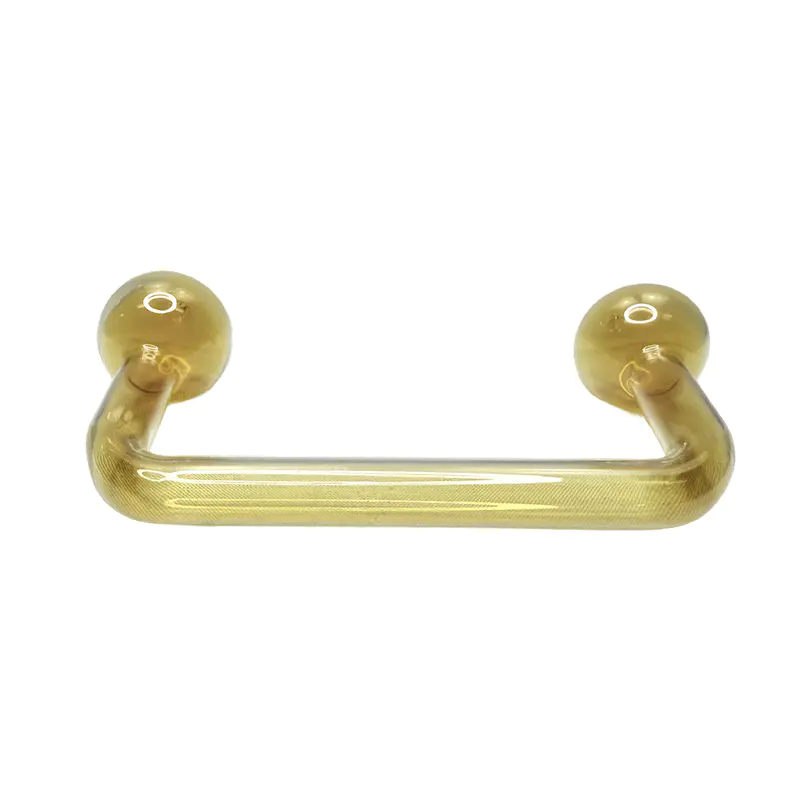
| 1 | Borosilicate chemical glassware | Beakers, flasks, burettes and pipettes rated for thermal shock and acid resistance; the backbone of any titration, distillation or heating exercise. |
| 2 | Fume cupboard / extraction unit | Removes gas byproducts during reactions involving chlorine, sulfur dioxide or ammonia, protecting both students and instruments. |
| 3 | Digital analytical balance | Accurate to 0.01g for reagent weighing; essential for stoichiometry practicals and quantitative analysis. |
| 4 | Bunsen burner and heat-resistant mat | Standard heat source for combustion, crystallization and distillation demonstrations. |
| 5 | Digital pH meter and indicator strips | Used across acid-base, buffer and water-quality experiments; strips serve as a low-cost backup. |
| 6 | Corrosion-resistant storage cabinet | Keeps acids, bases and volatile reagents separated and ventilated between lessons, extending reagent shelf life. |
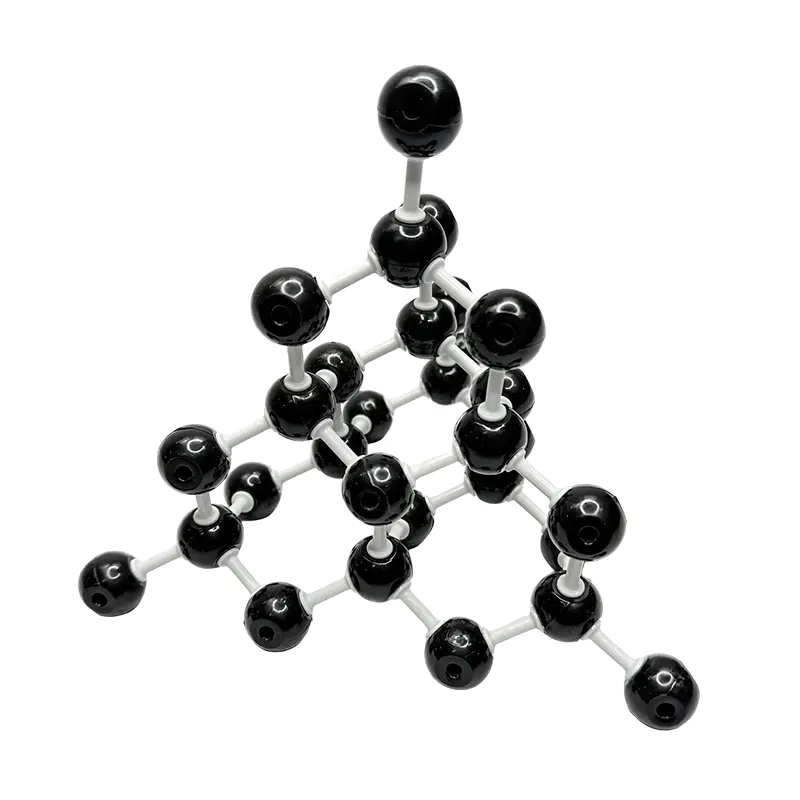
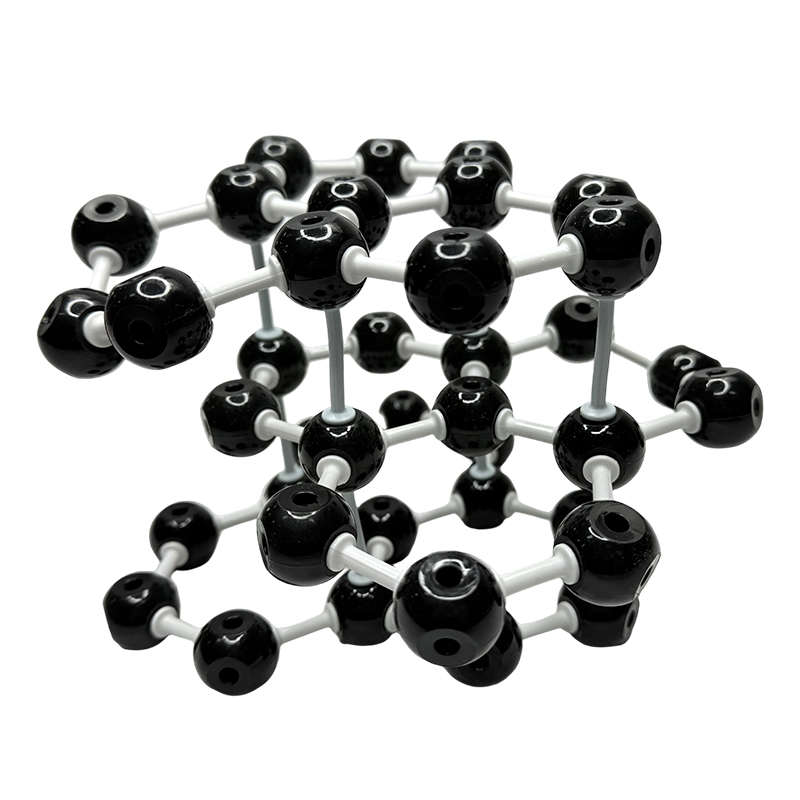
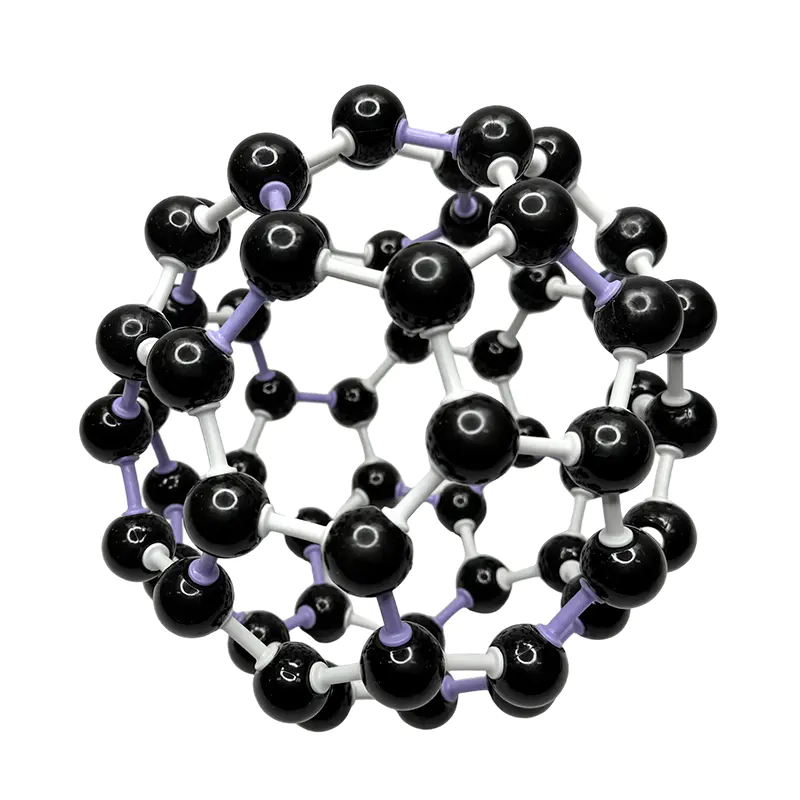
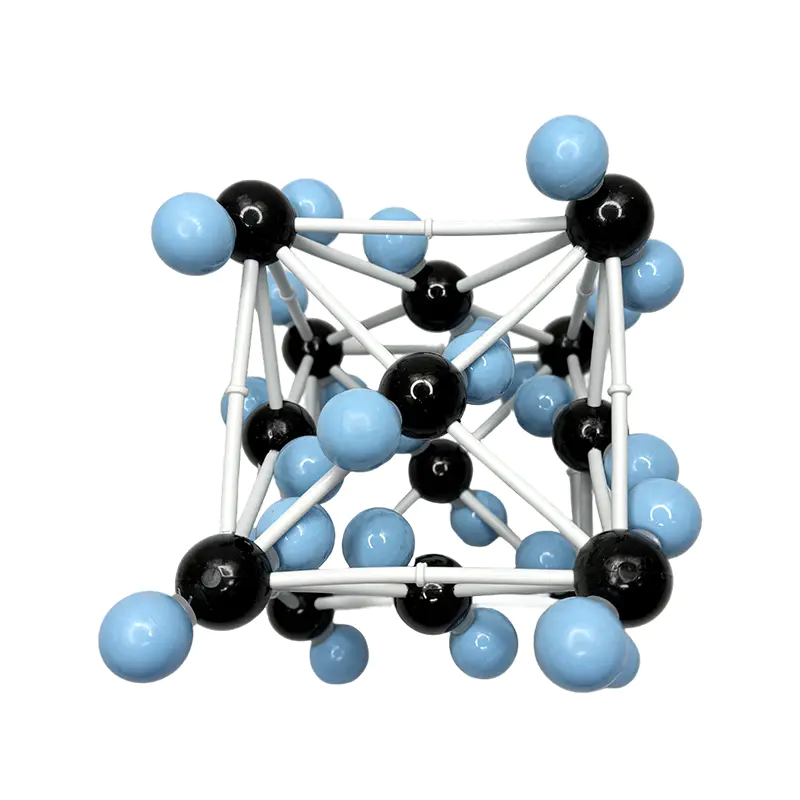
| 7 | Molecular and crystal structure models | Physical models of covalent, ionic and metallic lattices let students handle structures they cannot observe directly under a microscope. |
| 8 | Personal protective equipment | Goggles, nitrile gloves and lab coats sized for younger students, replaced on a fixed inspection schedule. |
| 9 | Retort stands, clamps and boss heads | Hold burettes, flasks and thermometers steady during multi-step procedures, reducing breakage rates. |
| 10 | Spill-control and first-aid kit | Neutralizing powder, eyewash station and burn dressing kept within arm's reach of every workbench. |
Not every practical needs all ten categories at once. The table below maps typical secondary-school experiments to the equipment groups they draw on most heavily, which helps a department budget by term rather than buying everything at once.
| Acid-base titration | Glassware, pH meter, retort stand, PPE |
| Salt crystal preparation | Glassware, Bunsen burner, balance, storage cabinet |
| Structure of matter unit | Molecular and crystal models, science kits |
| Gas generation and testing | Fume cupboard, glassware, spill-control kit |
| Rate of reaction study | Balance, glassware, retort stand, timers |
Alongside consumable glassware, structural models give students a tactile way to understand what a practical result actually represents at the molecular level. The set below is a sample of the crystal and molecular structure models commonly stocked for secondary chemistry teaching.
Durable, classroom-ready structure models built to withstand daily handling in student practicals and demonstrations.
Two labs buying the same list of tools can end up with very different replacement costs depending on material grade. Borosilicate glass (3.3 coefficient) resists thermal shock far better than soda-lime glass, so it survives repeated Bunsen burner cycles without cracking. Stainless steel retort stands outlast painted mild steel in humid storerooms, and PP or PTFE bottles hold up against hydrofluoric or concentrated acid where standard plastics degrade within months. When comparing supplier quotes, it is worth asking specifically which glass and plastic grades are used rather than assuming all glassware is equivalent.
Because chemistry departments restock glassware and consumables every term, the supplier relationship matters as much as the initial purchase list. Look for manufacturers who can supply matched sets across categories — glassware, models, measuring equipment and laboratory apparatus — from one production line, since mixed sourcing tends to create inconsistent sizing across burette clamps, stand rods and stoppers. Confirm certification (ISO quality and environmental management systems are the minimum standard for education-grade suppliers), ask for material specification sheets rather than marketing descriptions, and request sample units before committing to a bulk order for a new practical room.
Recommended Products



+86-18630650508 +86-0574-62500588

+8618630650508

 No. 588, Chaoyang South Road, Ditang Street, Yuyao, Ningbo City, Zhejiang Province, China


 English
 русский
 Español