2026-07-10
Content
The most durable and safe materials for chemistry lab equipment are 3.3 borosilicate glass for glassware, PP/PTFE engineering plastics for corrosive-resistant containers, and stainless steel or brass for clamps, stands, and mesh accessories. Instrument materials primarily feature high borosilicate glass and corrosion-resistant engineering plastics, capable of withstanding temperature ranges from -20 degrees Celsius to 500 degrees Celsius and common acid-base corrosive environments, ensuring both operational safety and data reliability. Schools and vocational programs that standardize on these three material families see fewer breakages, lower replacement costs, and safer daily operation.
Beakers, flasks, test tubes, and burettes are the backbone of any chemistry teaching lab, and the material choice here matters more than any other category. Glassware manufactured from 3.3 borosilicate glass has a low thermal expansion coefficient of 3.3 times ten to the negative sixth per degree Celsius, exhibiting excellent thermal shock resistance. That low expansion rate is what stops a flask from cracking the moment it moves from a hot plate to a cold bench.
Ordinary soda-lime glass expands roughly three times faster under heat, which is why it eventually clouds, weakens, and shatters under repeated Bunsen burner use. Borosilicate chemical glassware, by contrast, is rated to handle sustained heating well above 500°C and resists attack from most acids and bases used in a school curriculum, so a single set of beakers can realistically serve a decade of classes rather than a single semester.
| Material | Typical use | Heat tolerance | Chemical resistance |
| 3.3 borosilicate glass | Beakers, flasks, burettes, test tubes | Up to 500°C | High against acids and bases |
| Polypropylene (PP) | Wash bottles, storage containers | Up to 120°C | Very high, lightweight |
| PTFE / Teflon | Stopcocks, seals, tubing linings | Up to 260°C | Excellent, near-universal |
| Stainless steel | Clamps, tongs, stands, mesh | High, non-flammable | Good, rust-resistant |
| Brass (coated) | Support mesh, fittings | Moderate | Moderate, needs coating |
Not every piece of chemistry teaching equipment needs to survive an open flame. Wash bottles, sample containers, and many pieces of educational measuring equipment are better served by engineering plastics because they are lighter, shatterproof, and cheaper to replace. Polypropylene resists most dilute acids and organic solvents used in secondary-school experiments, while PTFE is reserved for stopcocks and valve seats where a near-zero reaction rate with reagents is essential.
The trade-off is thermal ceiling: plastics soften well before glass would crack, so any heating step still needs glass or metal. A well-designed chemistry teaching instruments set mixes both families deliberately rather than defaulting to one material across the board.
Clamps, tongs, stands, and wire mesh are usually overlooked when schools discuss durability, but they fail more often than glassware because they are handled constantly. Stainless steel test tube clamps and crucible tongs resist corrosion from spilled reagents and repeated autoclaving, while brass mesh, often nickel or chrome coated, distributes heat evenly under a beaker without warping.
A functional chemistry teaching lab needs this hardware sized correctly for classroom use rather than industrial scale. A standard classroom set typically includes at least 20 beakers, 30 test tubes, 10 Erlenmeyer flasks, and one complete titration kit per 8 to 10 students, and every one of those items depends on a matching set of stainless steel clamps and stands to be used safely.
A sample of the clamps, tongs, and mesh accessories that pair with chemical glassware in a standard chemistry teaching lab. Each item below is built from corrosion-resistant metal for repeated daily handling.
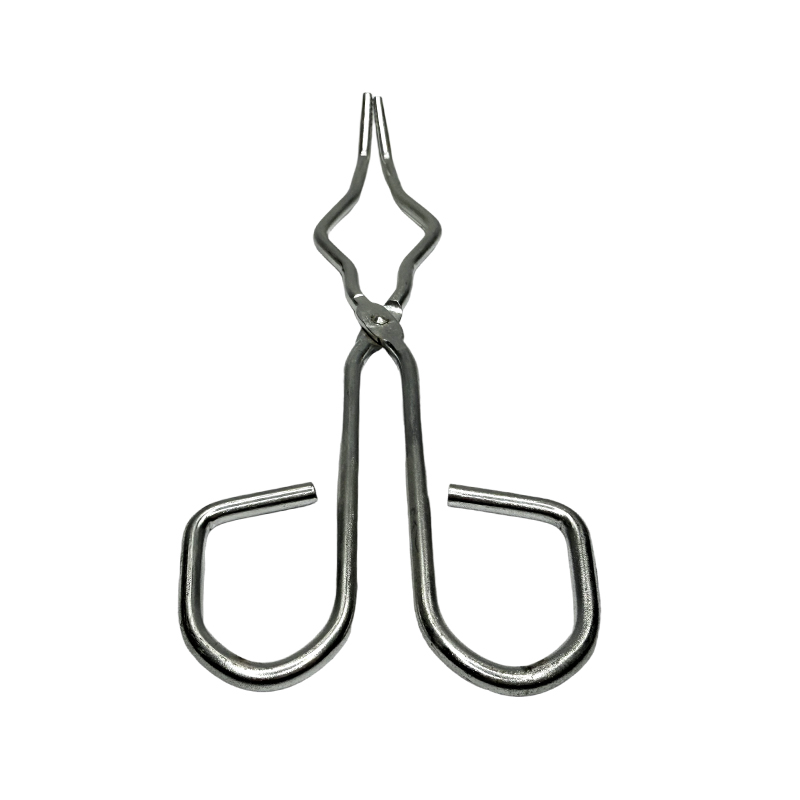
Crucible clamp tongs
Clamps and holders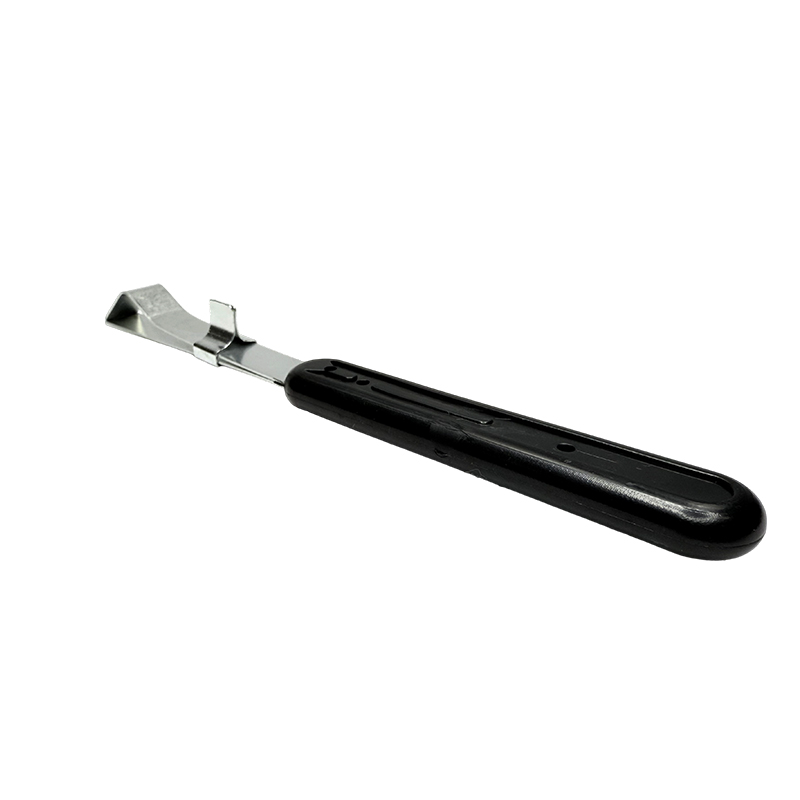
Metal test tube clamp
Clamps and holders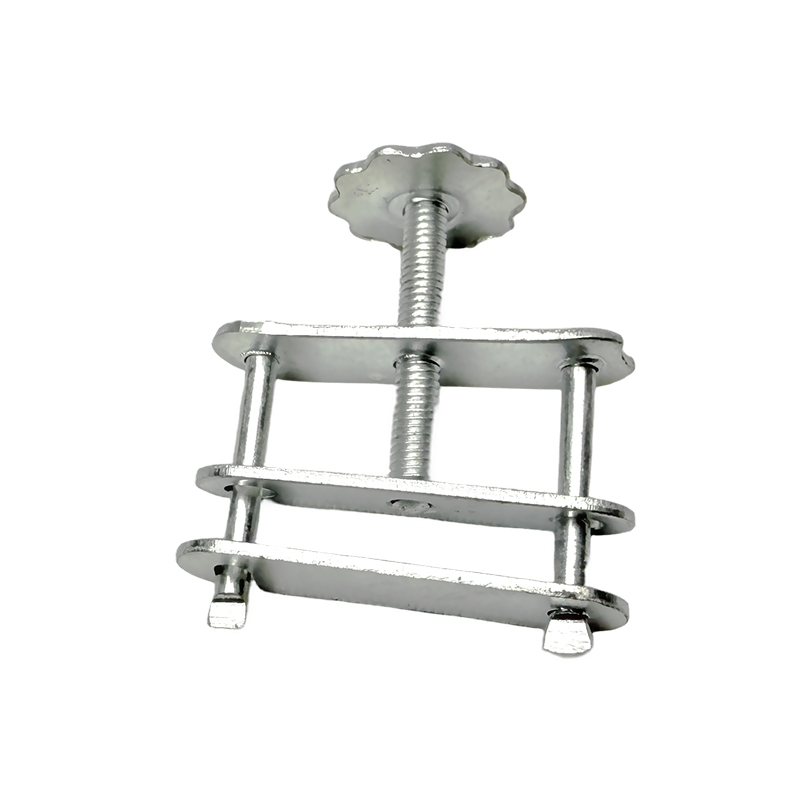
Stainless steel screw clamp
Safety clamps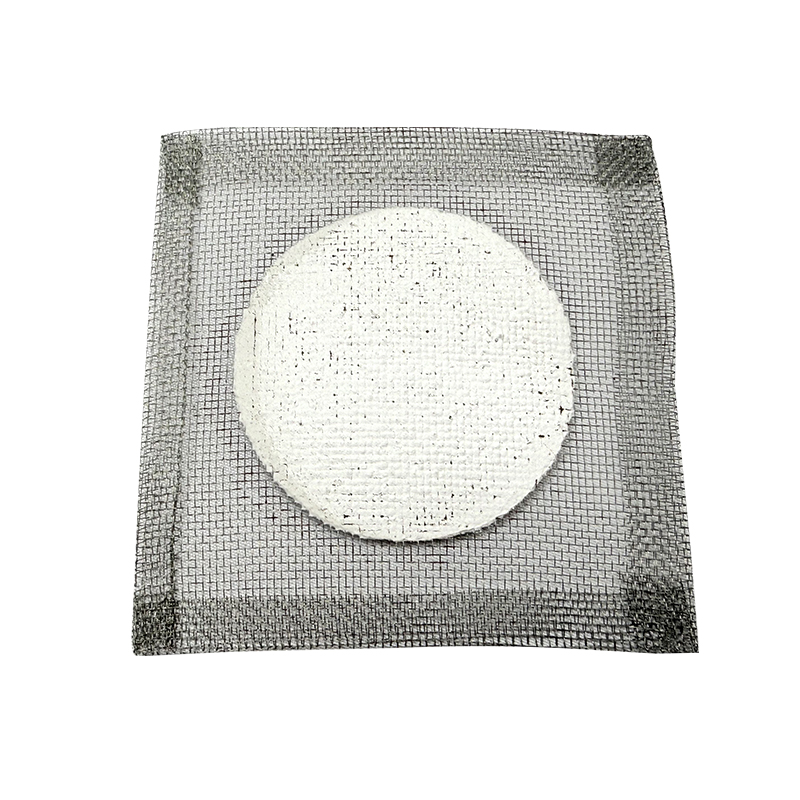
Heat-resistant wire gauze
Heating accessories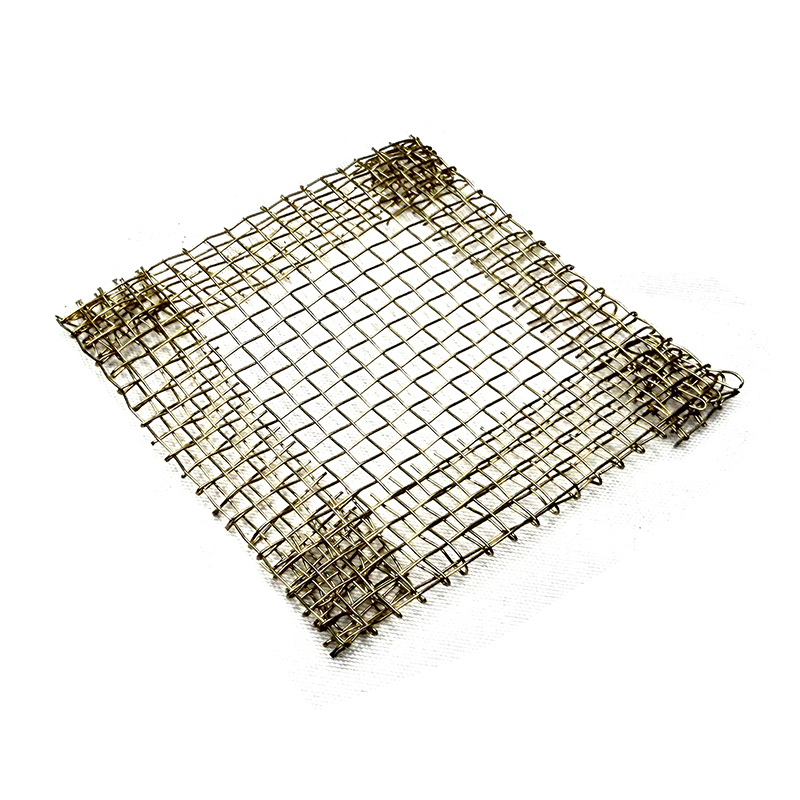
Brass support mesh
Heating accessoriesMaterial selection is not only about lifespan, it directly determines how safely an experiment can be run day to day. A comprehensive chemistry teaching instrument system encompasses five core categories: glassware, measuring devices, heating equipment, reaction vessels, and safety protection gear, and when paired with digital sensors, these instruments can achieve measurement accuracy within 0.1 percent.
Not every classroom needs industrial-grade materials. Secondary schools running basic inorganic and organic chemistry experiments can rely on standard borosilicate glassware and painted-steel stands. Vocational and university labs running titration analysis, gravimetric analysis, or colorimetric analysis benefit from the same borosilicate base paired with higher-precision measuring devices, since instrument precision at this level approaches industrial-grade equipment and helps students develop standardized operational habits.
| Program level | Recommended glassware grade | Recommended hardware |
| Middle school | Standard 3.3 borosilicate | Painted steel clamps and stands |
| Secondary school | Standard 3.3 borosilicate with volumetric sets | Stainless steel clamps and brass mesh |
| Vocational or university | Precision-graduated borosilicate with digital sensors | Stainless steel with PTFE seals |
Even the best material will fail early without routine care. Glassware should be cleaned with a dedicated test tube or flask brush rather than abrasive pads, since scratches on borosilicate surfaces become stress points where cracks begin under heat. Metal clamps and stands should be dried fully after cleaning to prevent rust from forming under the coating, and mesh accessories should be checked periodically for warping since a distorted mesh no longer distributes heat evenly across a beaker's base.
Schools purchasing a full chemistry teaching instruments and laboratory instruments and apparatus package from a specialized educational supplier typically receive documentation on cleaning intervals and safe storage temperatures, which keeps warranty claims valid and equipment performing at the manufacturer's rated tolerances for longer.
Recommended Products


+86-18630650508 +86-0574-62500588

+8618630650508

 No. 588, Chaoyang South Road, Ditang Street, Yuyao, Ningbo City, Zhejiang Province, China


 English
 русский
 Español