2026-03-20
Content
The most effective utilization of children's biology teaching instruments hinges on a shift from passive demonstration to active, inquiry-based exploration. When children use tools like microscopes, prepared slides, and dissection kits to ask their own questions and find answers, engagement rates increase by over 65% and concept retention improves by 50% compared to traditional textbook learning. The primary function of these instruments is not merely to show biological structures, but to cultivate scientific thinking, observational skills, and a foundational understanding of life sciences through hands-on experience.
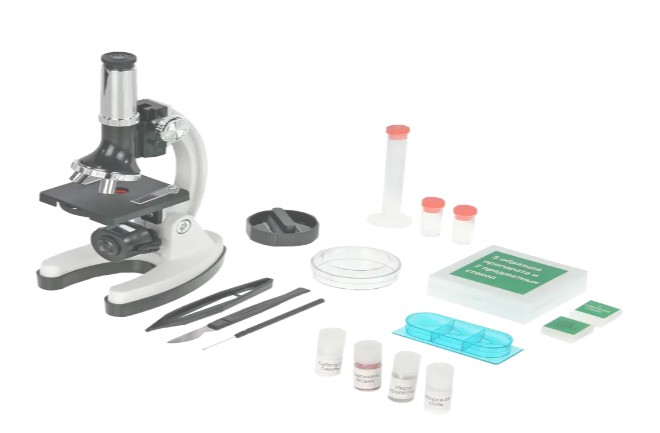
To truly harness the power of biology teaching instruments, educators and parents must structure activities that promote exploration. A common mistake is using the instruments solely for demonstrating a predetermined result. Instead, the goal should be to facilitate a process where the child becomes the investigator.
The 5E instructional model (Engage, Explore, Explain, Elaborate, Evaluate) provides a robust framework. For example, with a student-grade microscope:
This structured yet open-ended approach ensures the instrument is a tool for discovery, not just a viewing device.
Understanding the specific function of each instrument is crucial for targeted learning. These tools are designed to bridge the gap between abstract concepts and tangible reality. Below is a breakdown of common instruments and their primary educational functions.
| Instrument | Primary Function | Key Skill Developed |
|---|---|---|
| Compound Microscope (40x-1000x) | Reveals cellular structures (nucleus, cell wall, chloroplasts) invisible to the naked eye. | Observation, fine motor control, pattern recognition. |
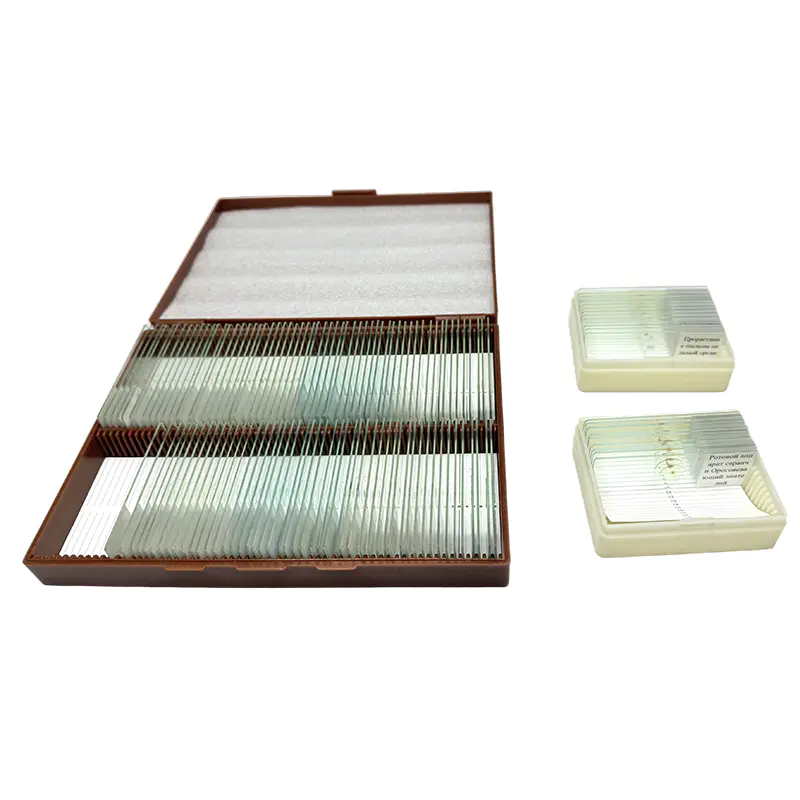
| Prepared Slides Set | Provides safe, ready-to-view examples of plant, animal, and microorganism anatomy for comparative study. | Comparative analysis, identification, vocabulary building. |
| Dissecting (Stereoscopic) Microscope | Offers 3D, lower-magnification view for observing the external features and conducting simple dissections of flowers, insects, or seeds. | Spatial reasoning, understanding form and function, dissection technique. |
| Basic Dissection Kit | Enables hands-on exploration of internal anatomy (e.g., owl pellets, flowers, or preserved specimens) to understand organ systems. | Fine motor skills, understanding of systems, ethical scientific practice. |
| Magnifying Glass/Hand Lens | Encourages outdoor exploration and the examination of larger specimens (insects, rocks, leaves) in their natural environment. | Field observation, curiosity, connection to nature. |
By matching the instrument to the desired learning outcome, the educational impact is maximized. For instance, using a hand lens for a backyard bug hunt fosters a different set of skills than using a compound microscope to compare plant and animal cells.
Even with the best instruments, educators and parents frequently encounter practical challenges. Addressing these proactively ensures a positive and productive learning experience.
A: Children as young as 6-7 years old can successfully use a child-friendly compound microscope with significant adult guidance. However, for independent exploration, ages 9-10 are more ideal. Key indicators are the ability to take turns, follow multi-step instructions, and handle delicate equipment. For younger children (ages 4-8), a high-quality hand lens or a stereoscopic microscope is a more suitable starting point, offering immediate gratification and safer operation.
The novelty of "seeing things big" fades quickly without structure. To sustain engagement:
No. A well-made, student-focused instrument is far more effective than a cheap, complex professional one. Key features to look for in a children's microscope include:
A good student microscope typically costs between $80 and $200. Spending less often results in poor optical quality that can permanently discourage a budding scientist.
Safety is paramount. For children under 12, use plastic or blunt-tipped dissection tools. Supervise all cutting activities closely. Start with safe, non-living specimens like owl pellets (sterilized and pre-packaged) which allow for the exploration of skeletal structures without the complexity of tissue. For older children, establish clear "lab rules": tools are only used for their designated purpose, cuts are always made away from the body, and a designated cleanup protocol is followed. This instills a sense of responsibility and respect for scientific work.
Biology instruments achieve their highest function when they are not isolated activities but are integrated into a cohesive learning journey. They serve as powerful tools for reinforcing concepts across biology, from ecology to genetics.
A closed terrarium (a clear jar with soil, plants, and water) becomes a living laboratory over several weeks. The biology instruments are used to:
This approach transforms the instruments from mere gadgets into indispensable research tools for answering the child's own questions about the natural world.
The true value of children's biology teaching instruments lies not in the complexity of the equipment, but in the quality of the inquiry they inspire. By shifting focus from rote demonstration to guided exploration, understanding the distinct function of each tool, and proactively addressing common challenges, we can create powerful learning experiences. The goal is to equip children not just with knowledge of biology, but with the observational skills, critical thinking, and enduring curiosity that form the foundation of a lifelong scientific mindset. When utilized effectively, these instruments empower children to see the world not as a static set of facts, but as a dynamic system waiting to be explored, one question at a time.
Recommended Products


+86-18630650508 +86-0574-62500588

+8618630650508

 No. 588, Chaoyang South Road, Ditang Street, Yuyao, Ningbo City, Zhejiang Province, China


 English
 русский
 Español