2026-03-13
Content
When selecting physics teaching instruments, the primary rule is to prioritize student safety (100% non-negotiable), followed by direct alignment with your specific curriculum standards (e.g., NGSS, IB, A-Level), and finally durability for repeated hands-on use. A common mistake is choosing equipment based solely on brand reputation or advanced features that do not match the students' learning level. The most effective instruments are those that transform abstract concepts into tangible, measurable experiences without introducing unnecessary complexity or risk.
For example, a basic photogate timer (costing $80–$150) is often a more effective teaching tool for introductory kinematics than a $2,000 high-speed motion capture system. The simpler tool forces students to understand the underlying physics of time, distance, and velocity calculations, rather than relying on automated software outputs. This principle of "appropriate fidelity" is the cornerstone of effective physics pedagogy.
Selecting the right instruments involves a multi-layered evaluation. Below are the four critical pillars that should guide your purchasing decisions, backed by common procurement standards in educational institutions.
Physics labs involve electricity, heat, and mechanical forces. Instruments must meet international safety standards (such as CE or UL certifications). For instance, over 60% of lab accidents in high schools are related to improperly rated electrical equipment. Always verify that power supplies have overload protection and that all mechanical components are free from sharp edges or pinch points.
The instrument must serve the learning objective. If the goal is to teach Ohm's Law, a simple circuit board with discrete resistors is superior to a pre-programmed electronics trainer that obscures the circuit pathways. Data from a 2023 study on STEM education showed that students using modular, hands-on equipment scored 22% higher on conceptual assessments compared to those using fully automated "black box" systems.
Physics equipment undergoes significant wear. Look for instruments with metal casings over plastic, and ensure critical components like sensors are potted for protection. A minimum 3-year warranty on electronic instruments is a standard indicator of manufacturer confidence. For mechanical instruments like track systems, check for corrosion-resistant materials like anodized aluminum.
Modern physics teaching increasingly relies on data logging. Ensure that sensors and interfaces are compatible with your existing software ecosystem (e.g., Windows, macOS, Chromebooks, or specific platforms like Vernier’s LoggerPro or PASCO’s Capstone). Wireless sensors, while convenient, should have a battery life exceeding 8 hours of continuous use to support full lab sessions without interruption.
To further clarify the selection process, here are answers to the most frequently asked questions by educators and lab managers.
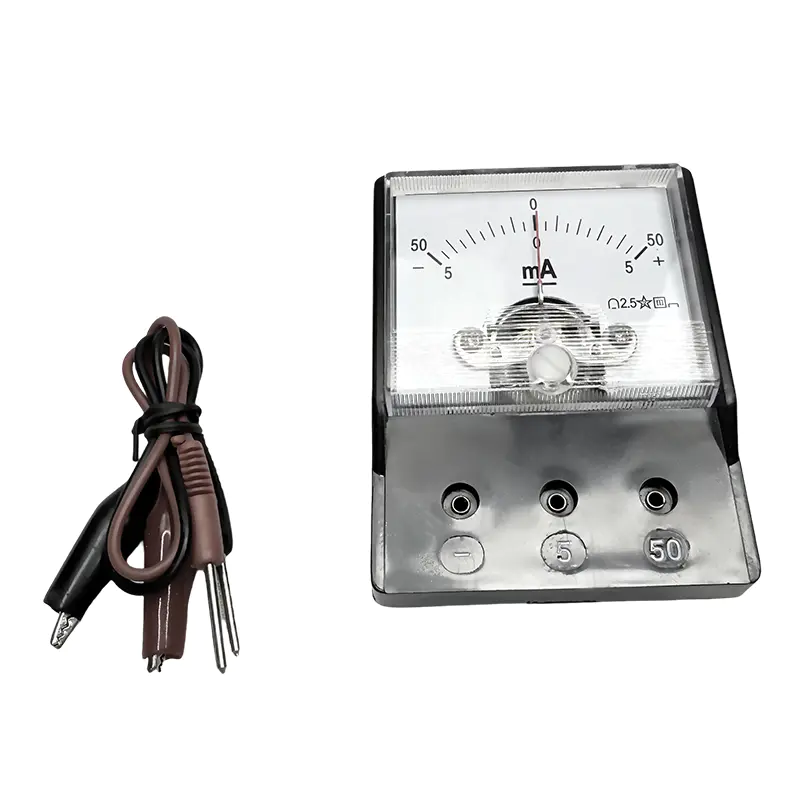
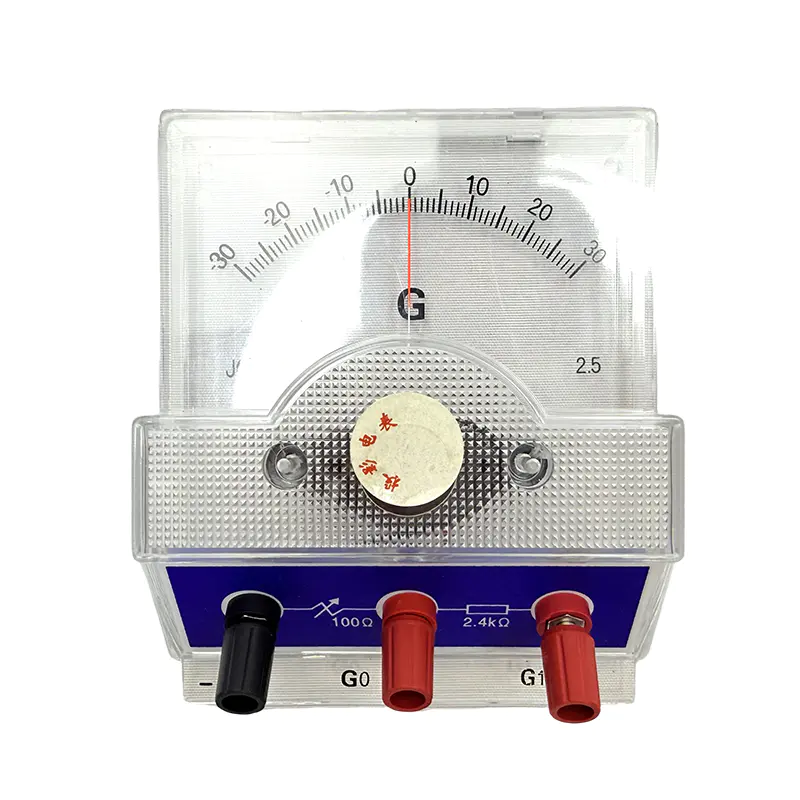
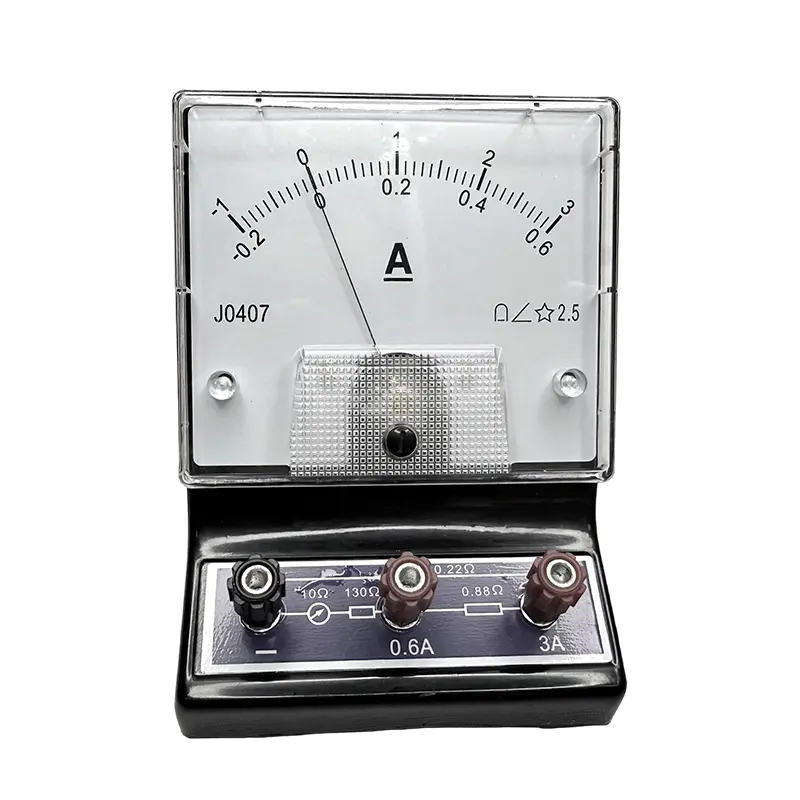
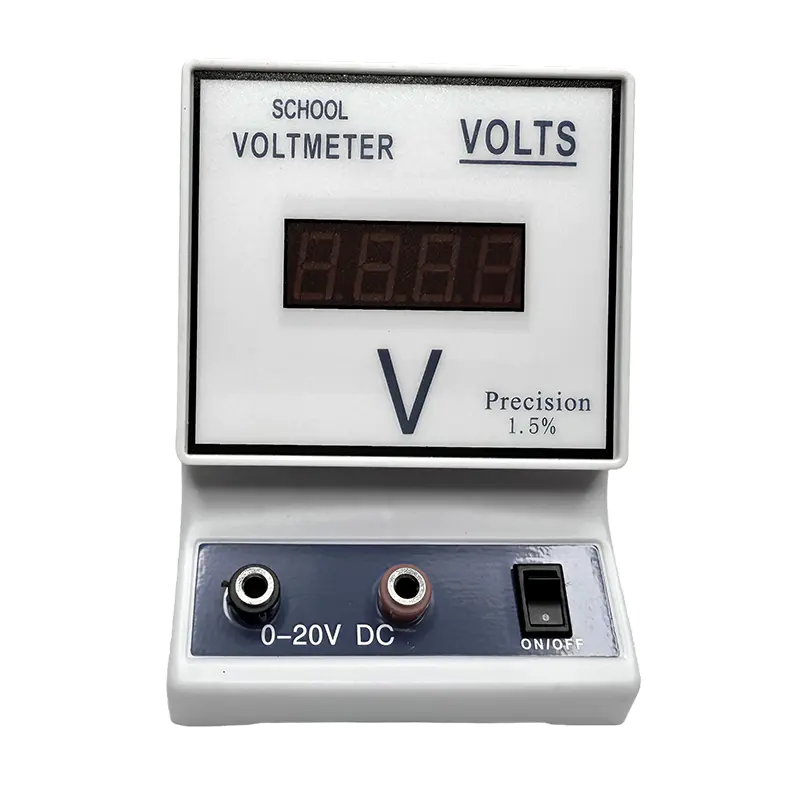
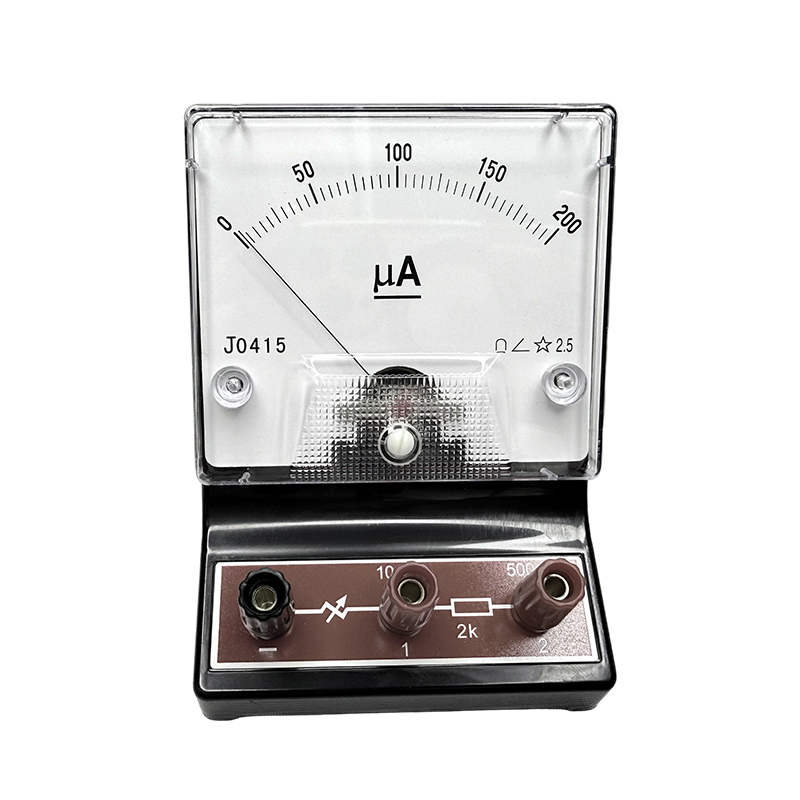
The answer is both, but with a clear strategy. Analog instruments (like galvanometers and voltmeters) are essential for teaching foundational concepts of measurement uncertainty, zero-error correction, and circuit behavior in real-time. Digital instruments are superior for precision and data logging. A balanced approach is optimal: use analog meters for introductory courses to build conceptual understanding, and digital sensors for advanced courses focusing on quantitative analysis and error propagation.
There is no one-size-fits-all budget, but a standard guideline used by many school districts is the “40-40-20” rule: allocate 40% of the budget to core, high-use equipment (e.g., dynamics carts, circuit kits, basic optics sets); 40% to data acquisition systems (sensors, interfaces, software); and 20% to specialized demonstration equipment (e.g., Tesla coils, vacuum pumps) and consumables. This ensures foundational experiments are well-equipped while allowing for engaging demonstrations.
Longevity hinges on three practices: proper storage, calibration, and student training. Store instruments in low-humidity environments (below 60% relative humidity) to prevent internal corrosion. Establish a biannual calibration schedule for precision instruments, as uncalibrated equipment can lead to erroneous data that undermines student trust. Crucially, implement a mandatory "pre-lab" safety and handling quiz before students operate expensive equipment, which has been shown to reduce accidental damage by over 70% in university lab settings.
Theory is essential, but seeing how specific instruments serve distinct pedagogical goals provides actionable clarity. The table below illustrates this mapping for common physics topics.
| Physics Topic | Recommended Instrument | Why It Works | Typical Cost Range |
|---|---|---|---|
| Newtonian Mechanics | Low-Friction Dynamics Cart & Track | Minimizes friction to isolate net force and acceleration concepts. | $200 - $600 (per set) |
| Electricity & Magnetism | Modular Circuit Board with Magnetic Components | Allows for infinite circuit combinations and visualizes electromagnetic induction. | $150 - $400 |
| Waves & Optics | Optics Bench with Ray Box and Lenses | Provides a direct, traceable visualization of refraction, reflection, and focal points. | $250 - $700 |
| Thermodynamics | Wireless Temperature & Pressure Sensors | Enables real-time data collection of gas laws and specific heat without cumbersome wires. | $100 - $250 (per sensor) |
By using this topic-to-instrument mapping, educators can avoid purchasing expensive, multi-purpose devices that may not be optimal for any single learning outcome. For instance, a dedicated optics bench is often more effective for teaching Snell's Law than a multi-function light-mixing system.
Navigating the procurement process can be daunting. To streamline your efforts, follow this actionable checklist before issuing a purchase order.
Recommended Products


+86-18630650508 +86-0574-62500588

+8618630650508

 No. 588, Chaoyang South Road, Ditang Street, Yuyao, Ningbo City, Zhejiang Province, China


 English
 русский
 Español