2026-08-07
Content
Quick Answer
Demand for teaching instruments and school teaching aids & supplies is climbing for three concrete reasons: national STEM funding programs are pushing money into classrooms, updated safety and environmental rules are forcing product redesigns across physics, chemistry and biology lines, and schools increasingly want suppliers who can cover physics, chemistry, biology, geography and mathematics from a single catalog. The science lab equipment for education segment was valued near 4.8 billion US dollars in 2025 and is projected to reach roughly 8.6 billion US dollars by 2034, expanding at about 6.7 percent a year. The sections below unpack what that growth means for each product family, from mechanics experiment equipment to chemical glassware and educational microscopes.
Roughly 1.5 billion students worldwide are currently enrolled in pre-tertiary and tertiary education, and a growing share of them now need access to a properly equipped science lab as part of their coursework. Several large funding programs are behind the current buying cycle. In the United States, education-recovery legislation channeled a portion of over 120 billion US dollars toward K-12 schools, with part of that spending directed at lab modernization. In the European Union, the Horizon Europe program has earmarked funding specifically for science education infrastructure at secondary and university level. In China, the 14th Five-Year Plan placed explicit emphasis on upgrading science teaching quality in rural and semi-urban schools, which has generated steady procurement activity for basic and intermediate teaching instruments and equipment.
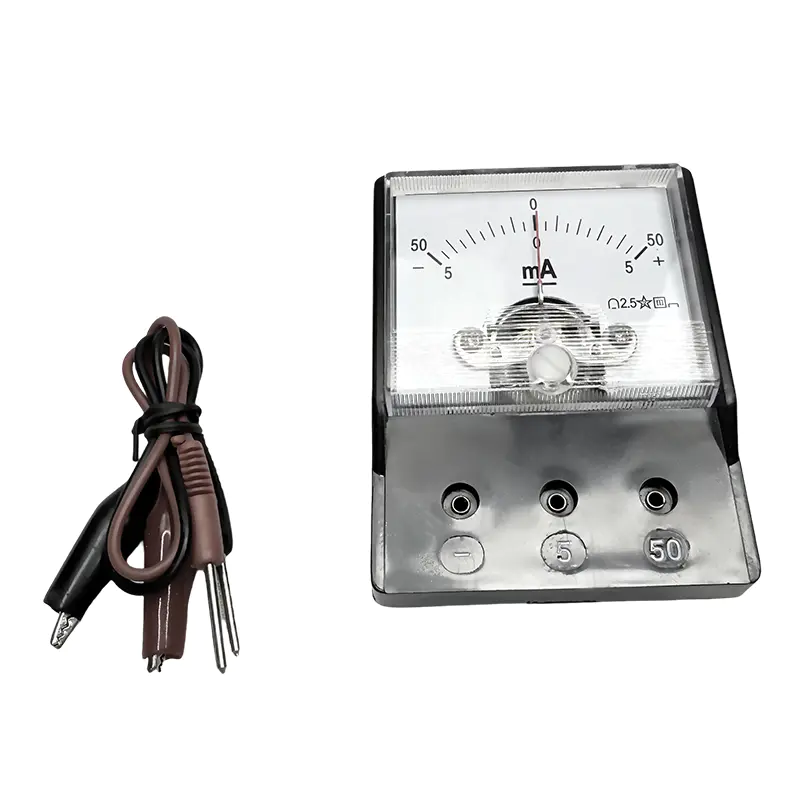
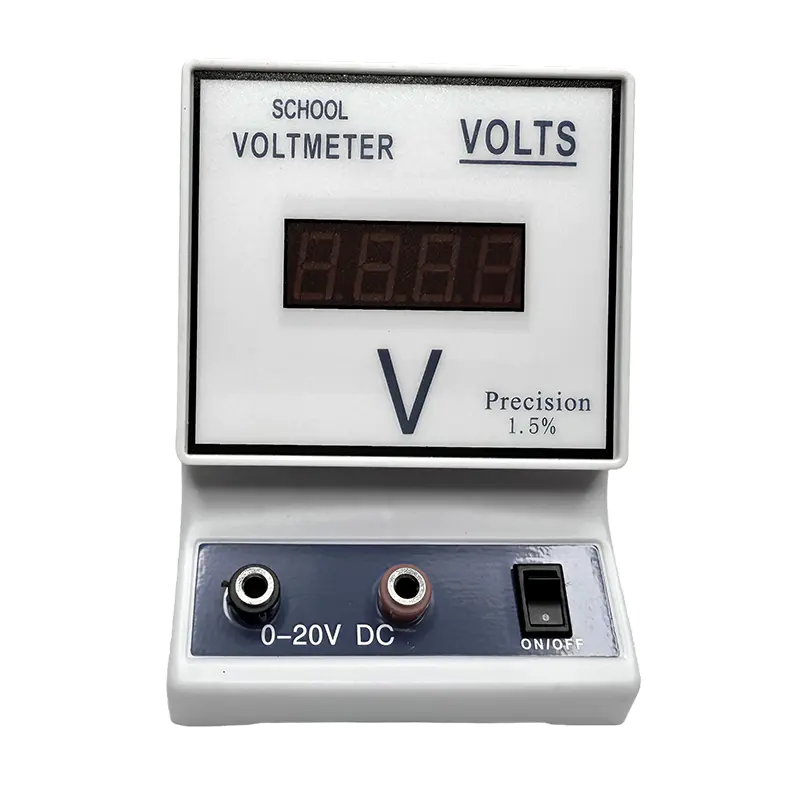
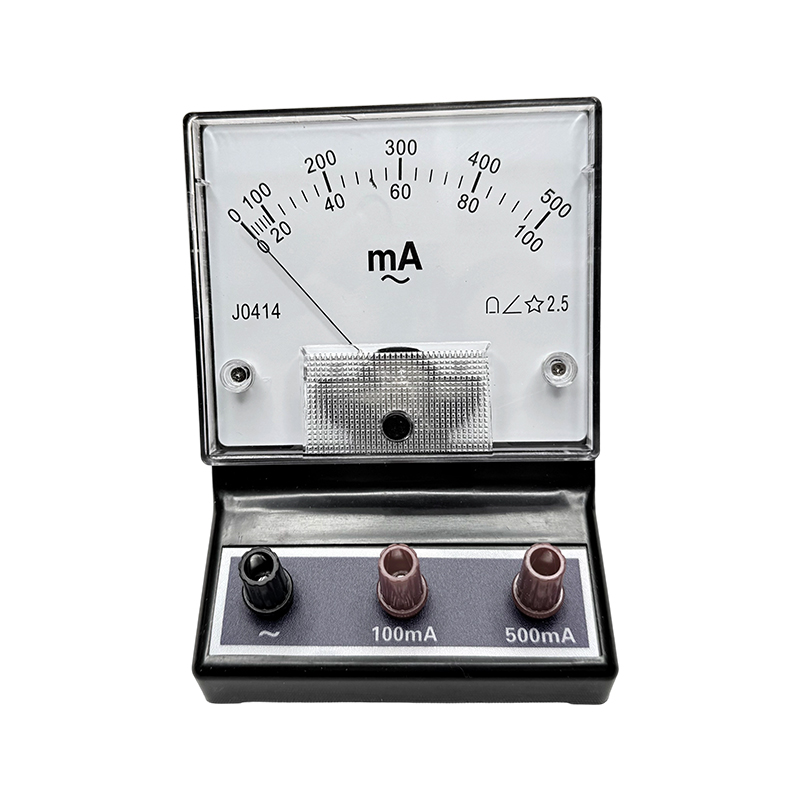
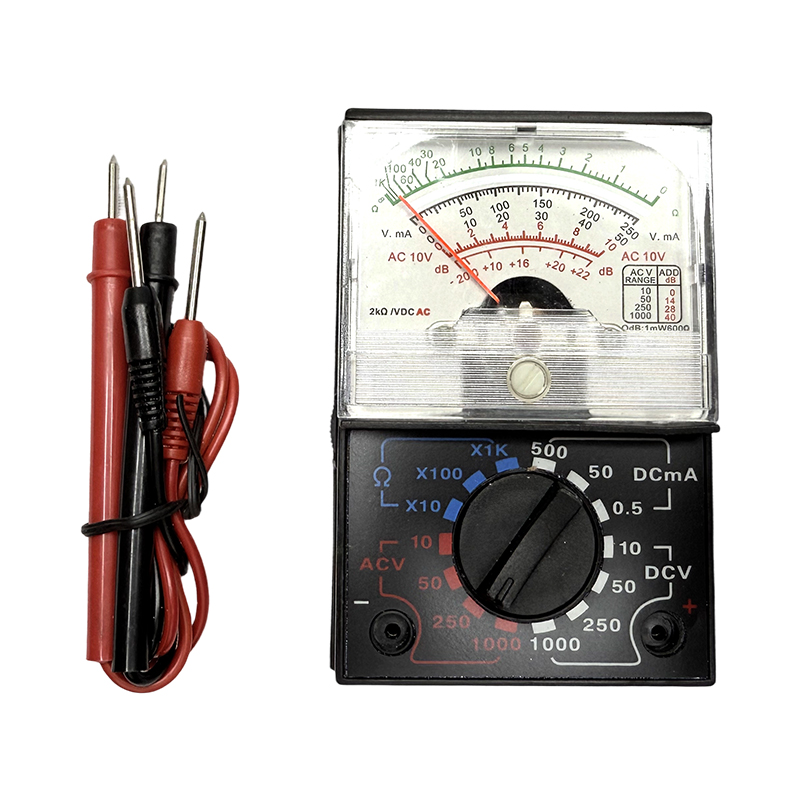
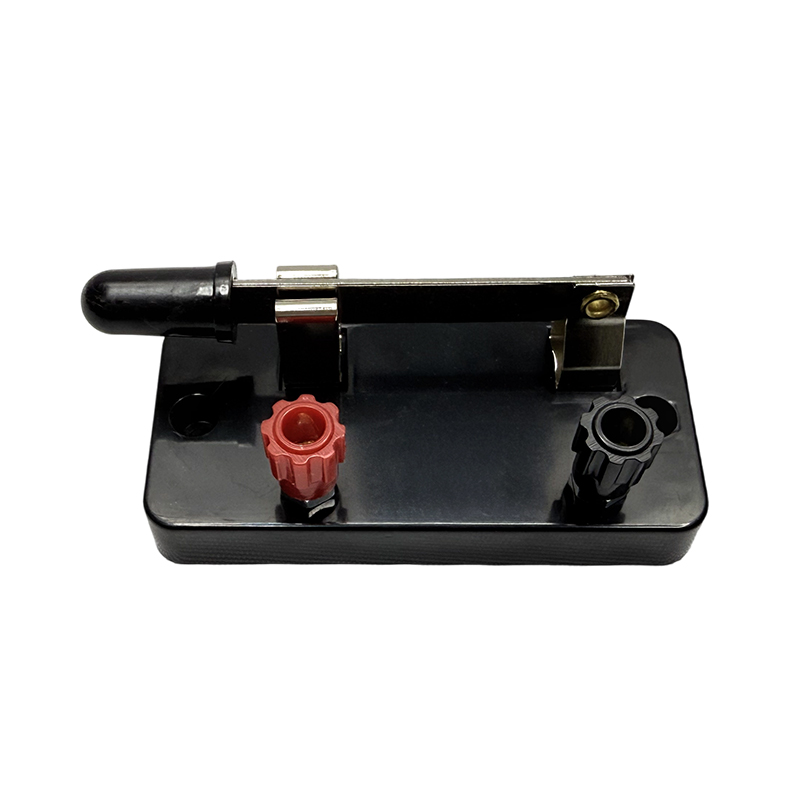
Physics remains the broadest category inside most school teaching aids & supplies catalogs, and it is also where the fastest product turnover is happening. Mechanics experiment equipment such as motion and force apparatus, friction demonstrators and free-fall instruments is being redesigned with clearer scales and more durable materials so it survives years of student handling. Electrical experiment equipment and electromagnetic experiment equipment are shifting from analog dial meters toward digital multi-function multimeters and demonstration ammeters that display readings large enough for a whole classroom to see. Thermal experiment equipment and optical experiment equipment round out the set, letting students move from circuits and magnetism into heat transfer and light behavior without switching suppliers.
Pulling together several 2025 and 2026 industry market reports on laboratory and science equipment gives a consistent regional picture. North America still holds the largest slice of current spending thanks to established school budgets and mature distribution networks. Europe follows closely, shaped by strict compliance standards. Asia-Pacific is smaller in absolute terms today but is repeatedly flagged as the fastest-growing region, with cited growth rates in the high single digits, driven by China, India and Southeast Asia expanding school lab infrastructure. The Middle East and Africa remain the smallest current share but rely heavily on imported laboratory instruments & apparatus and educational measuring equipment, which keeps demand tied closely to trusted overseas manufacturers.
Figures are approximate, synthesized from multiple 2025-2026 laboratory and science-equipment market reports; Asia-Pacific carries the fastest growth rate despite a smaller current base.
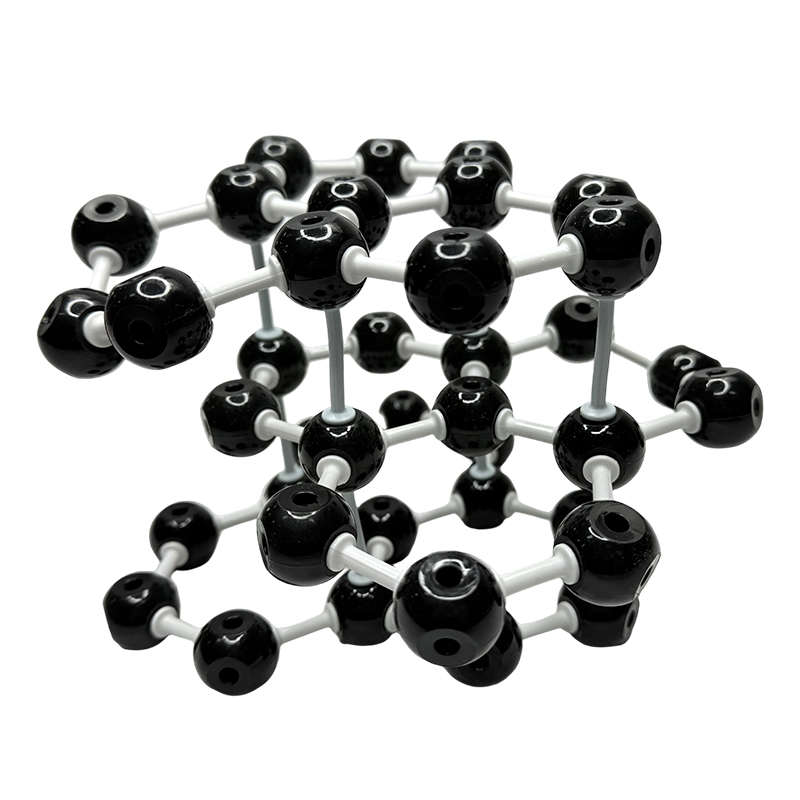
Chemistry is the subject where regulation is moving fastest. Updated teaching-equipment access standards in several export markets now put tighter requirements on the environmental friendliness of plastics and the safe handling of chemical glassware used in student experiments. That pressure is reshaping how chemistry teaching instruments are built, from titration apparatus to the molecular structure kits used as chemistry teaching models for topics like crystal lattices and covalent bonding. Buyers evaluating chemical glassware now weigh three things side by side: heat resistance, breakage risk in a classroom setting, and the total cost of replacement over a school year.
| Material | Heat Resistance | Typical Classroom Use | Sourcing Note |
| Borosilicate glassware | High, tolerates rapid temperature change | Beakers, flasks, test tubes for heating experiments | Preferred for secondary and higher education labs |
| Soda-lime glassware | Moderate, not for direct flame use | Basic measuring cylinders, storage jars | Lower cost, suited to primary school demonstrations |
| PMMA plastic ware | Low, unsuitable for heating | Molecular models, non-heated demonstrations | Impact-resistant, favored for younger students |
A snapshot of core products spanning physics, chemistry, biology, geography and mathematics, the same five subject families driving the demand trends discussed throughout this article.
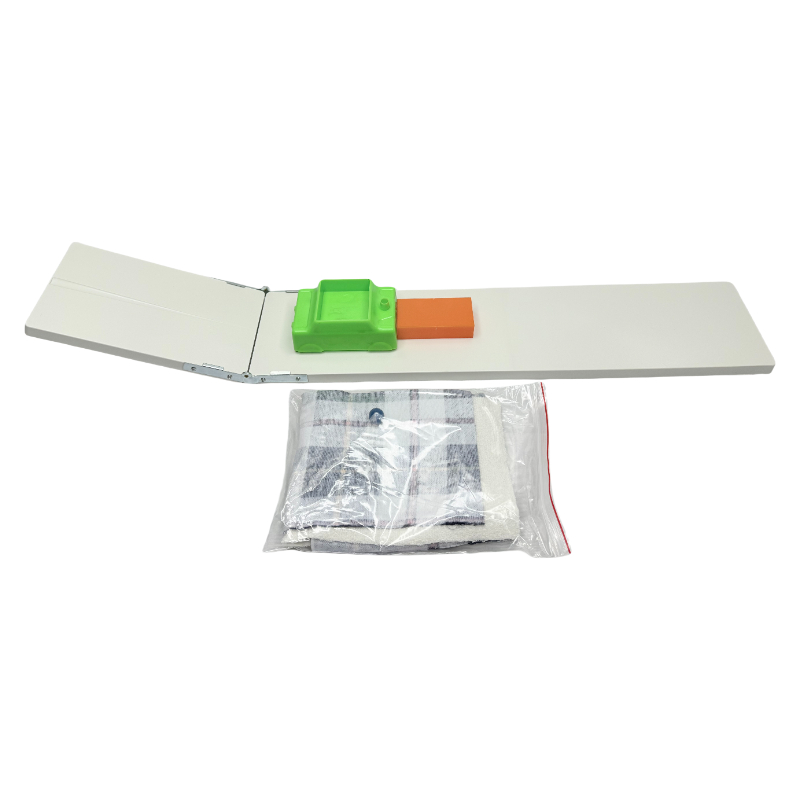 Physics Teaching Instruments Motion & Force Experiment Apparatus
 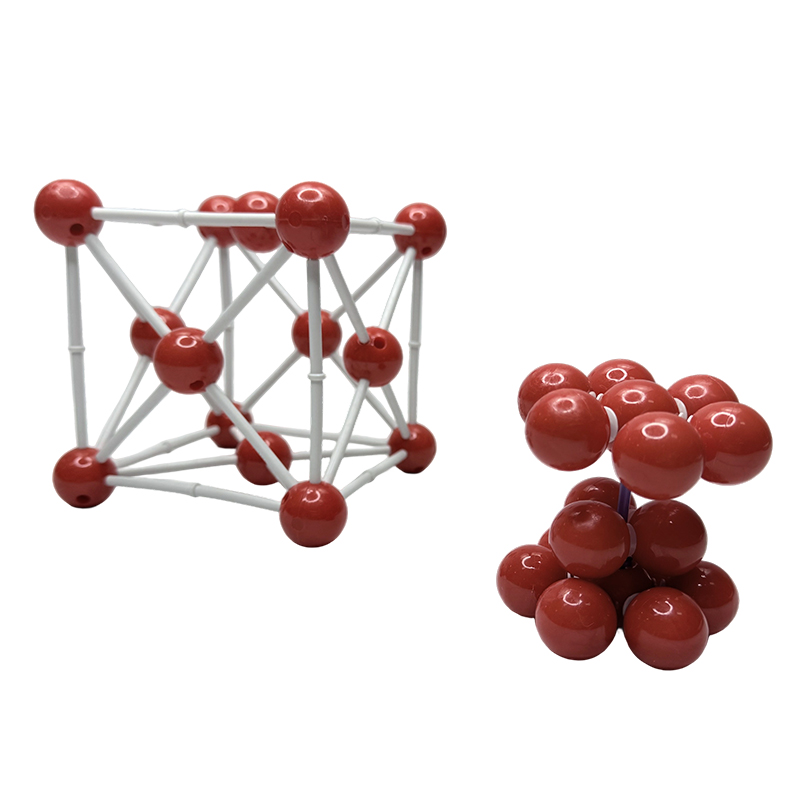 Chemistry Teaching Models Metallic Crystal Structure Model
 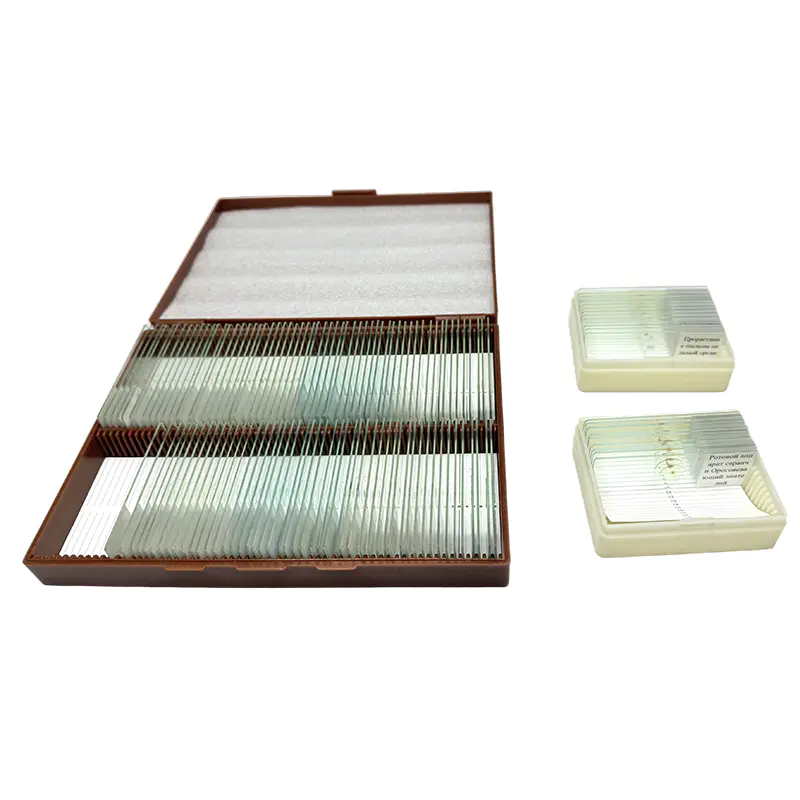 Biology Teaching Instruments Microscope Slide Education Kit
 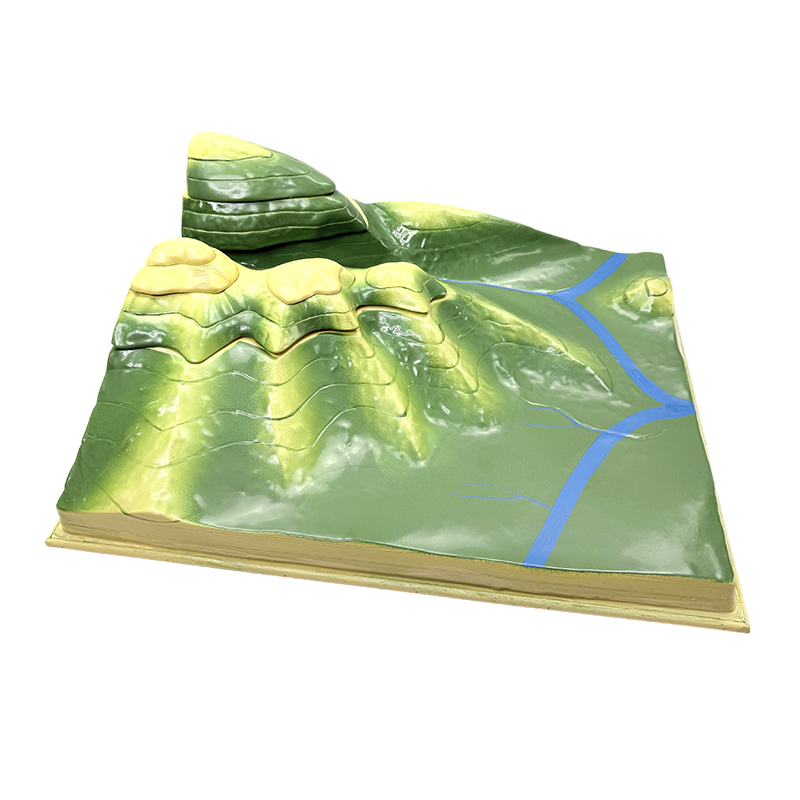 Geography Teaching Models Removable Contour Line Landform Model
 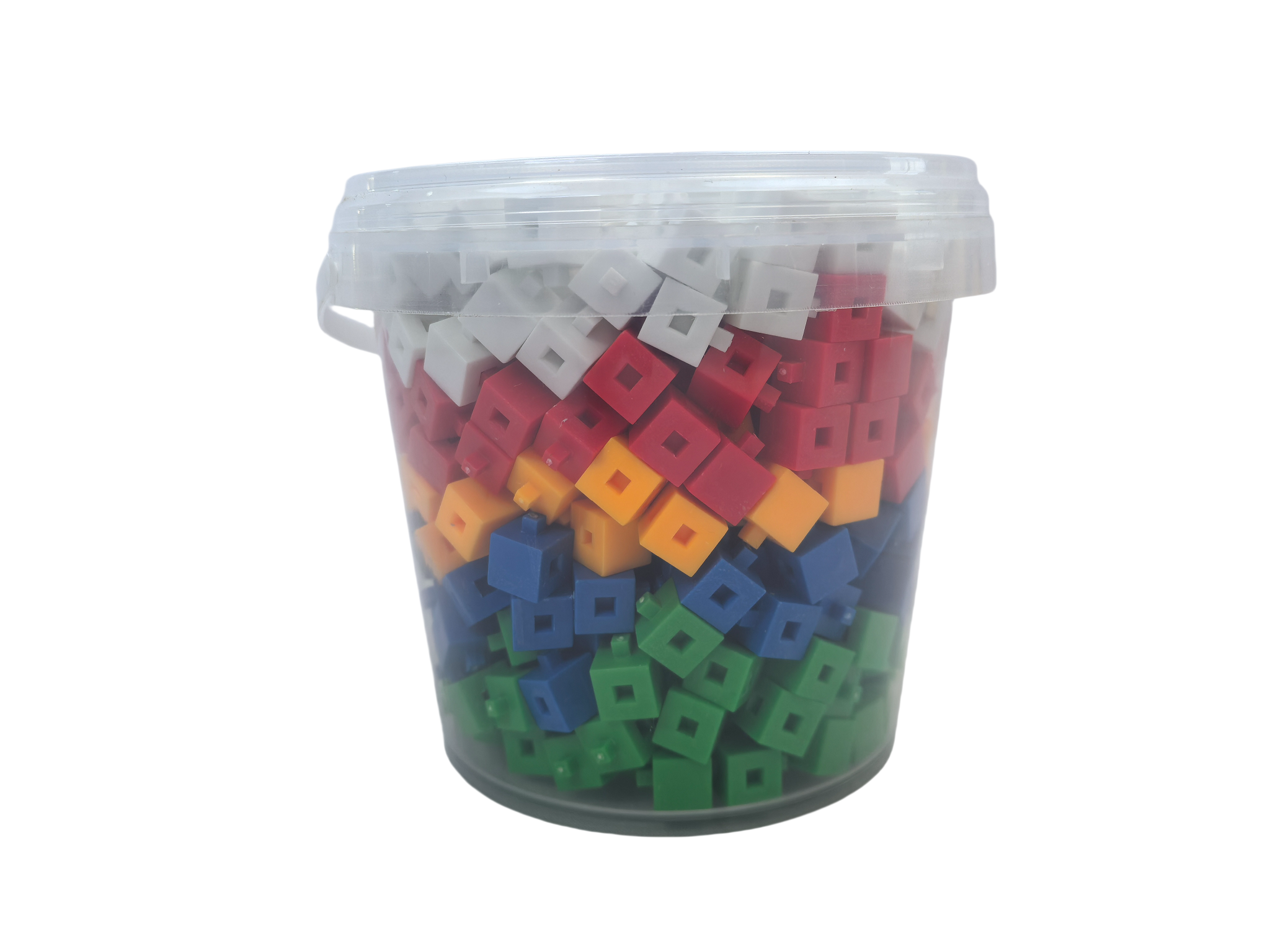 Mathematics Teaching Instruments Cube Counting Block Manipulatives
 Wet-preserved biological specimens are gradually being replaced by polymer-solidified alternatives that hold their shape without leaking formalin, making shipping and long-term classroom storage far simpler for importers.
The educational microscope has moved from basic mirror-illuminated optics to LED light sources and coarse-plus-fine focus systems, giving younger students clearer images with fewer adjustment errors during lessons.
Dissection kits and biology teaching models built around organ systems are increasingly paired with washable, non-toxic casing materials, reflecting the same environmental-compliance pressure reshaping chemistry teaching instruments.
Most established teaching-instrument suppliers now organize their catalog around these five subject families rather than single-category product lines, which lets a school or distributor consolidate purchasing with one supplier instead of five.
Terrain models, contour-line landform sets and globe series remain the backbone of geography teaching instruments, letting students physically trace ridges, valleys and river systems instead of reading a flat map. Newer geography teaching models add removable, layered pieces so a single unit can demonstrate several landform types.
Decomposable geometry sets and counting manipulatives dominate primary and lower-secondary mathematics teaching instruments, turning abstract ideas like volume, ratio and spatial relationships into objects students can assemble and take apart by hand.
Prioritize suppliers who can document safety and environmental compliance for the specific destination market rather than a generic certificate.
Request sample kits spanning more than one subject to judge consistency in build quality across physics, chemistry, biology, geography and mathematics lines.
Budget for a gradual shift from analog to digital instruments, particularly in electrical and thermal experiment equipment where digital readouts are becoming standard.
Favor manufacturers offering a full catalog of school teaching aids & supplies to reduce the number of vendors a procurement team has to manage each year.
Recommended Products


+86-18630650508 +86-0574-62500588

+8618630650508

 No. 588, Chaoyang South Road, Ditang Street, Yuyao, Ningbo City, Zhejiang Province, China


 English
 русский
 Español