2026-08-14
Content
Two teachers can face the same physics syllabus and still build completely different laboratories. One orders a long physics lab equipment list copied from the internet; the other sorts every device by experiment, grade level, and classroom size. In our experience, the second approach works far better. A practical physics lab equipment list is not a random collection of instruments. It is a structured inventory that supports the experiments you actually teach, avoids duplicate purchases, and keeps your budget under control.
That is why this guide is organized around teaching modules rather than manufacturer categories. Whether you are equipping a middle school, a senior high school, or an undergraduate lab, the same five blocks apply: electricity and magnetism, mechanics, optics, thermal and wave phenomena, and precision measurement. Once you see the equipment in these groups, it becomes much easier to compare quotes, prioritize purchases, and explain your needs to a supplier.
A reliable equipment list starts with curriculum objectives, not with the number of items you can fit into a storage room. In a typical school physics lab, the equipment count is not evenly spread across topics. Electricity and mechanics naturally require more physical devices because students need to connect circuits, move carts, and repeat experiments. Measurement tools sit in second place because they support experiments in every other module. The chart below shows a practical view of how equipment items tend to be distributed:
Approximate share of equipment items by subject area in a general physics lab.
For a school following a national curriculum, electricity and mechanics almost always take the largest share. Measurement tools are next, because they are involved in all quantitative experiments. Optics, heat, and waves take a smaller but still essential part. If you are building a list for a university physics course, you may need to add more advanced modules such as electronics or modern physics, but the same logic still helps you set priorities.
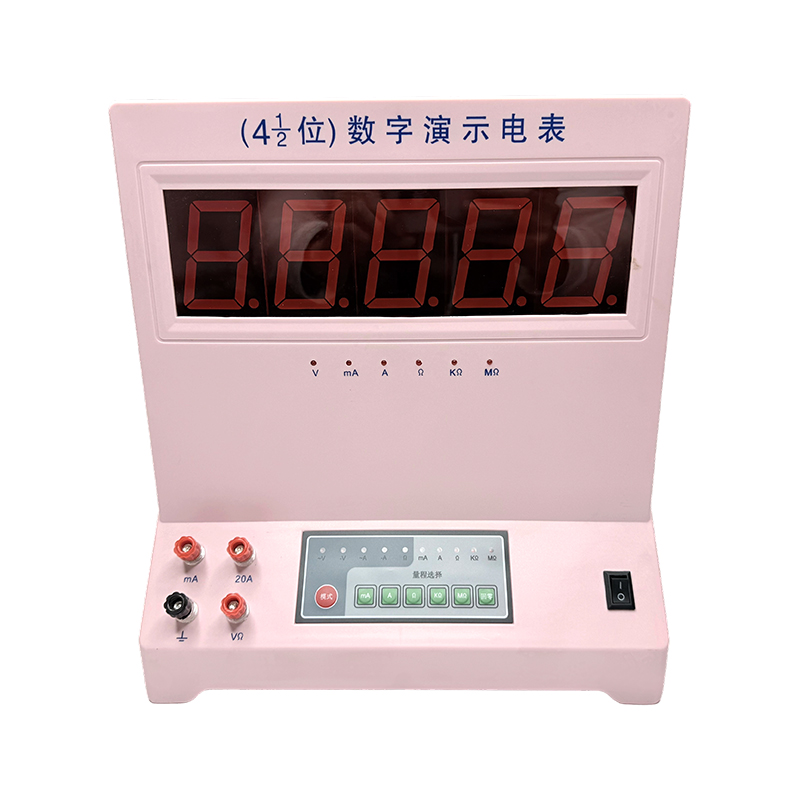
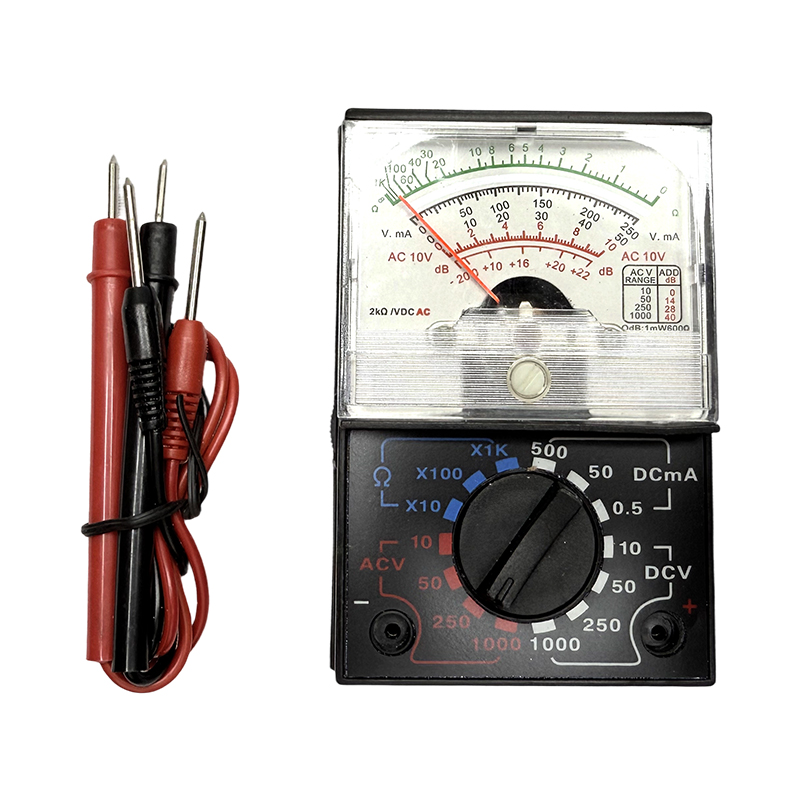
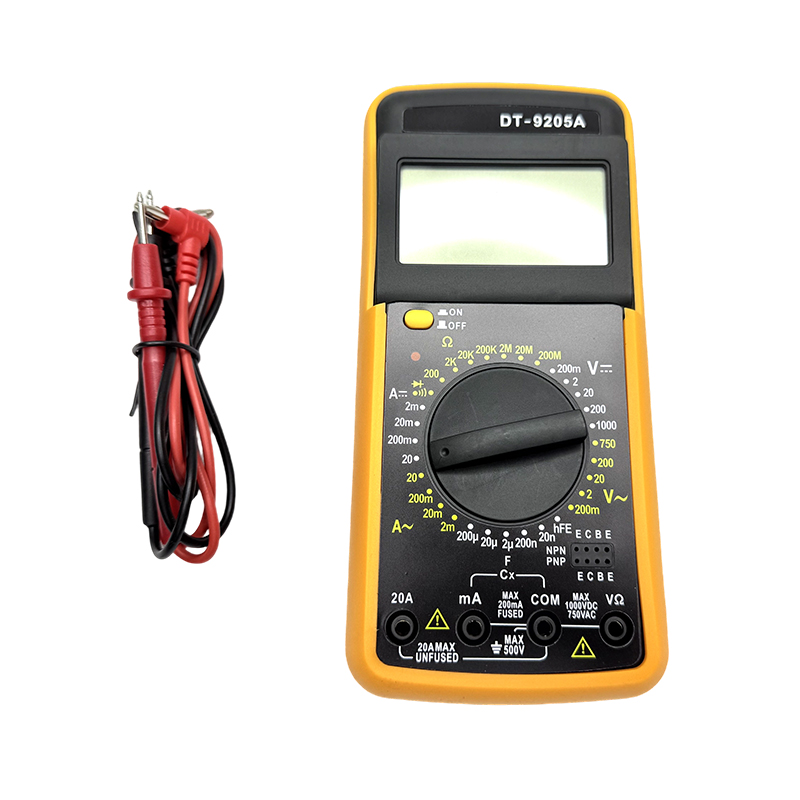
Electricity is the most equipment-heavy module in any physics lab. You will need power supplies, switches, connecting wires, resistors, rheostats, capacitors, galvanometers, voltmeters, ammeters, multimeters, and demonstration boards. Among these, a digital multimeter is the most flexible single instrument because it measures voltage, current, and resistance in one unit. For schools that cannot afford separate analog meters for every student bench, a good option is a digital multimeter for school physics labs. It gives students a realistic view of electrical measurement while reducing cost and storage space.
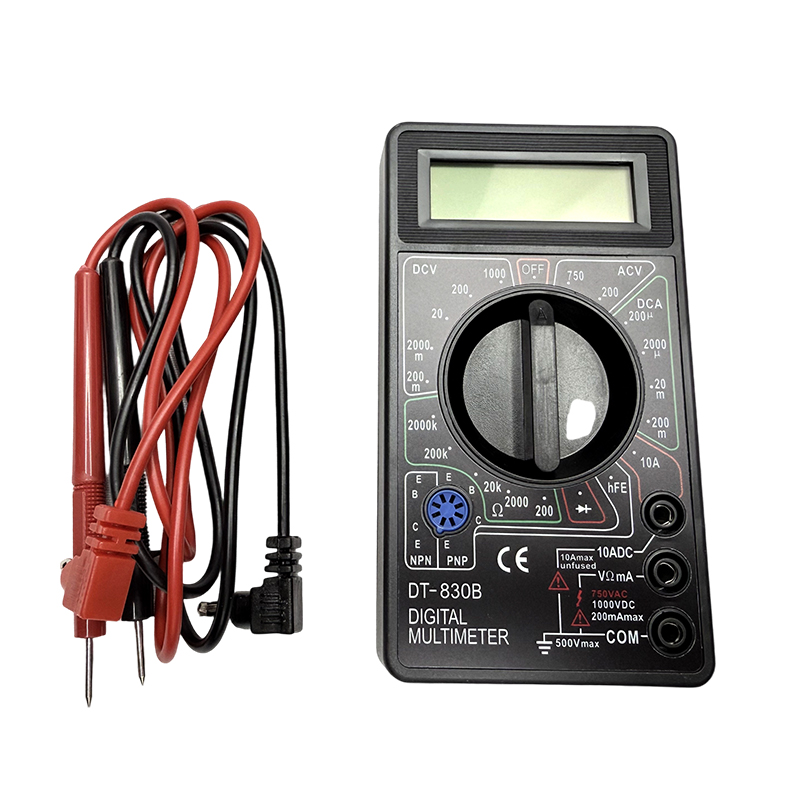 Custom Teaching instruments physical electrical circuit experiment equipment DigAs a China ODM/OEM Teaching instruments physical electrical circuit experiment equipment Digital multimeter hand-held(digital display uni...View Product →
| Device | Typical experiments | Selection tip |
|---|---|---|
| Digital multimeter | Voltage, current, resistance | Choose a clear display with overcurrent protection |
| Circuit experiment board | Series and parallel circuits, Ohm’s law | Check that contacts are durable and well marked |
| Resistance box | Bridge circuits, Ohm’s law | Verify step accuracy and usable resistance range |
| Regulated power supply | DC circuits, electrolysis | Prefer short-circuit protection and adjustable output |
For routine circuit lessons, you do not need to assemble a board from loose components every time. A junior high school circuit experiment board with pre-mounted switches, bulbs, and connectors saves preparation time and reduces broken parts. It is especially useful for classes that move from parallel circuits to Ohm’s law.
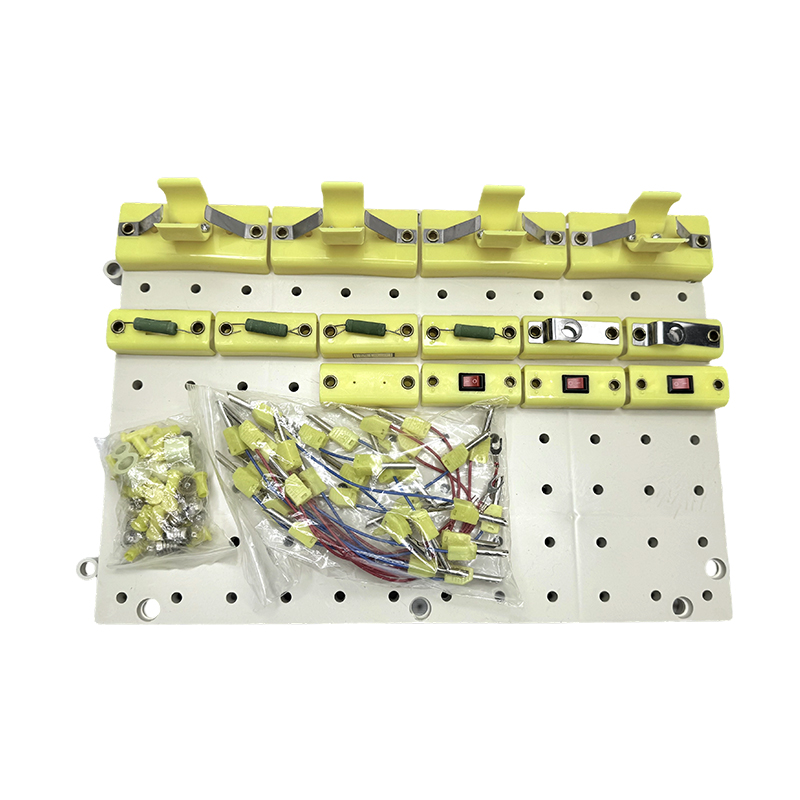 Custom School physics lab instrument science experiment and teaching kit Junior As a China ODM/OEM School physics lab instrument science experiment and teaching kit Junior high school student circuit experiment board ...View Product →
Mechanics equipment is simpler but still essential. A basic list includes dynamics carts, inclined planes, spring balances, pulleys, pendulums, friction testers, collision cars, and demonstration kits for Newton’s laws. One of the most productive purchases in this area is a motion and force experiment apparatus because it combines several experiments in one set. With a mounted track, a set of weights, and a timer, students can verify Newton’s second law and measure acceleration under changing force.
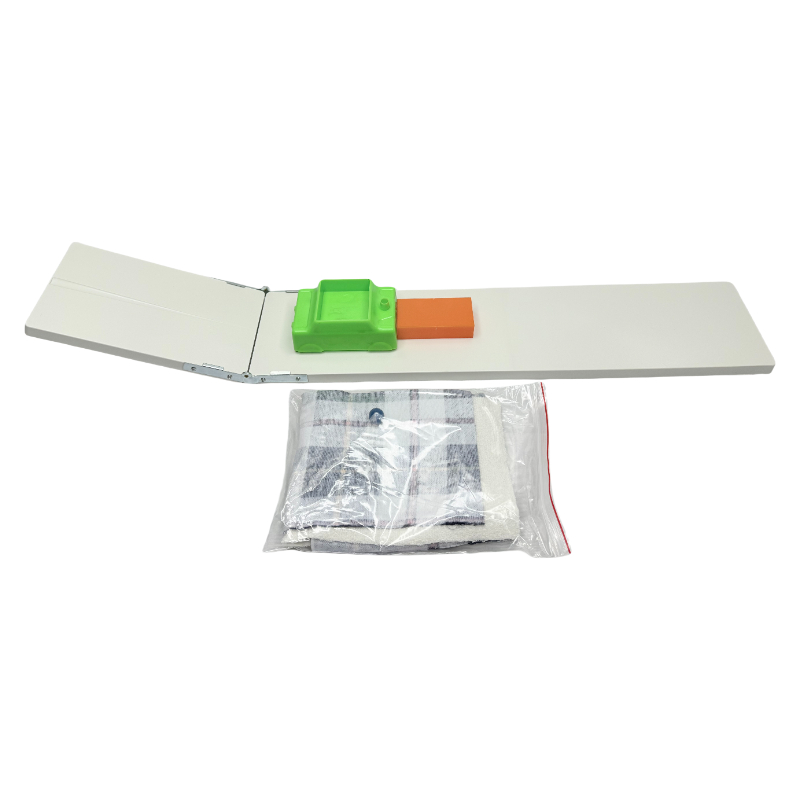 Custom Physical teaching instrument motion and force experiment apparatus ManufaAs a China ODM/OEM Physical teaching instrument motion and force experiment apparatus manufacturers and factory, Yuyao Xueyou Teaching Eq...View Product →
Other useful mechanics items include:
Optics experiments require an optical bench, convex and concave lenses, mirrors, prisms, glass slabs, and a suitable light source. Thermal and wave experiments need thermometers, calorimeters, tuning forks, resonance tubes, sonometers, and a ripple tank. These devices are fewer in number than electrical ones, but they need careful storage and alignment. Do not skip them in your physics lab equipment list; they are the ones that make abstract concepts visible in a classroom.
Every physics laboratory should include a separate section for precision measurement. Vernier calipers, screw gauges, micrometer calipers, meter rules, and stopwatches are used across mechanics, wave, and thermal experiments. These tools are often overlooked because they look simple, but their accuracy determines the quality of every result that students record.
| Instrument | Typical resolution | What to check |
|---|---|---|
| Vernier caliper | 0.02 mm | Smooth movement and zero error |
| Screw gauge | 0.01 mm | Working ratchet and flat anvil |
| Stopwatch | 0.01 s | Responsive buttons and battery life |
| Meter rule | 1 mm | Straight edge and clear scale |
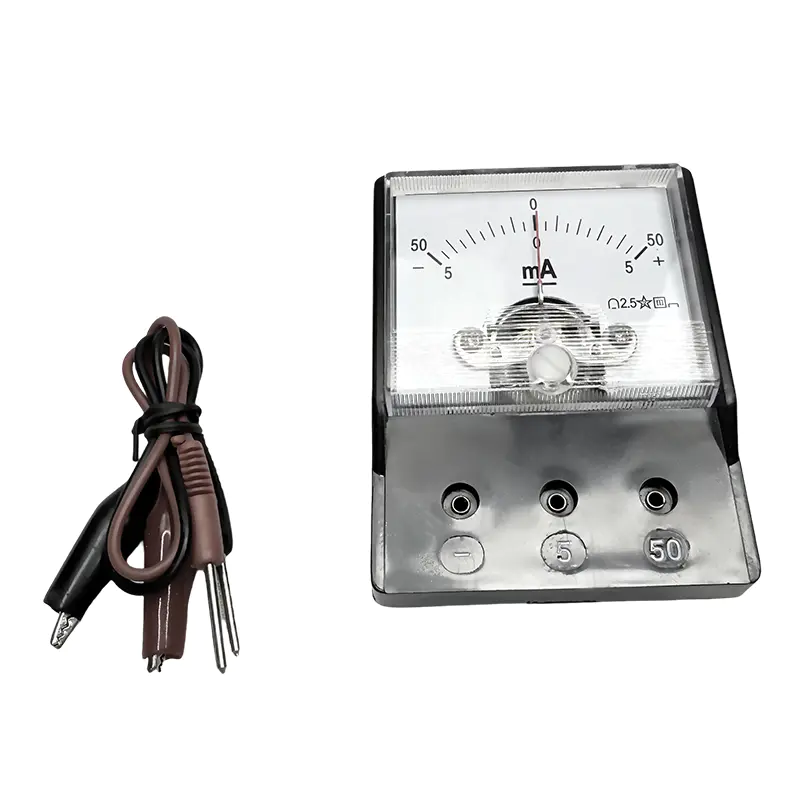
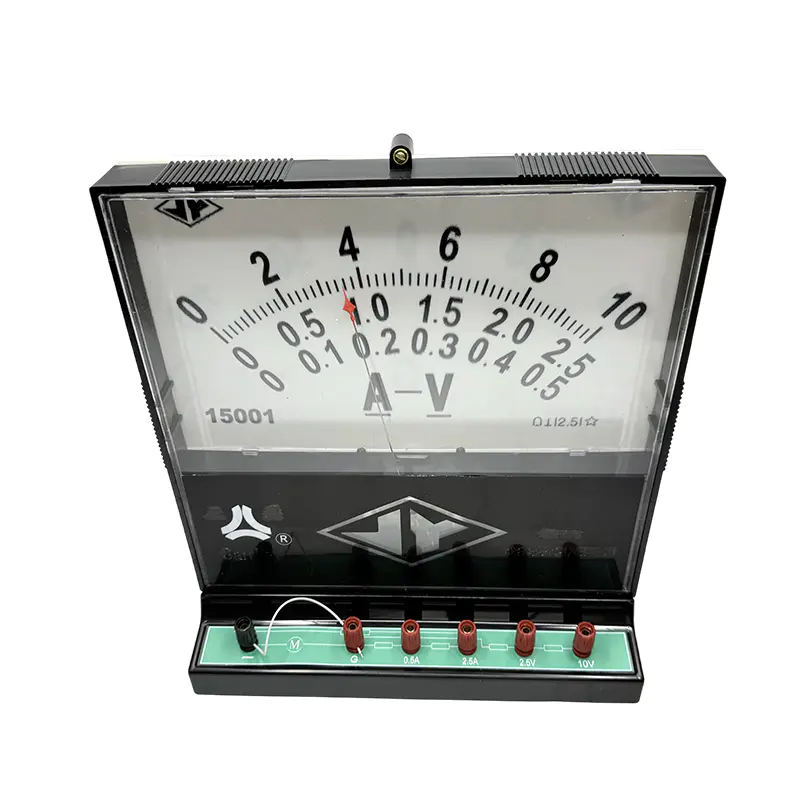
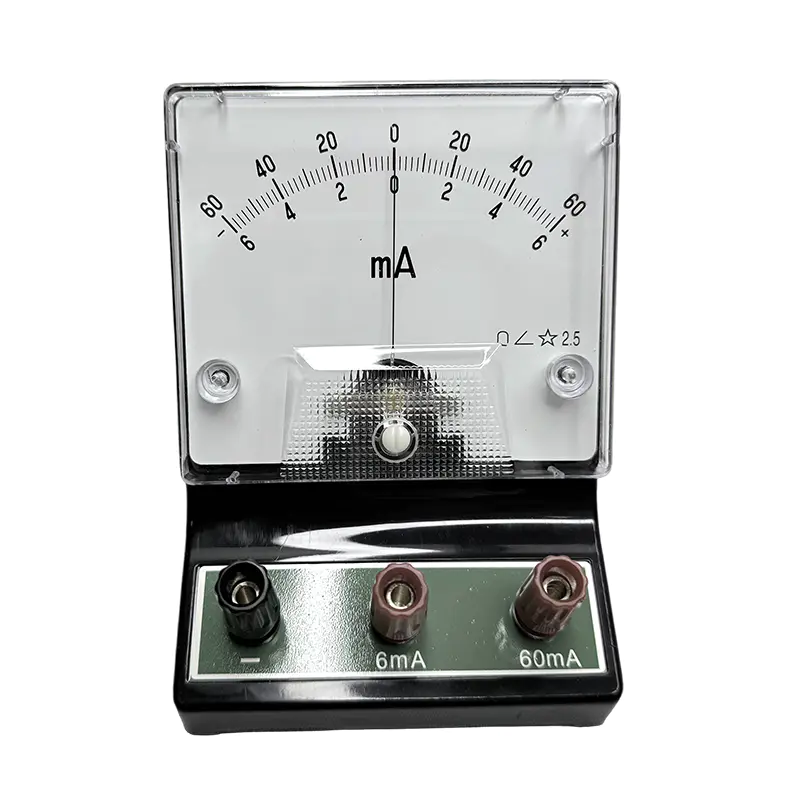
Analog and digital instruments can be mixed in the same lab. Analog meters are useful for teaching the physical principle of deflection; digital meters are faster for collecting clean data. Calibration matters more than brand. A cheap screw gauge with a visible zero error will cause more confusion than an older, well-maintained instrument that has been checked regularly.
Choosing reliable equipment begins with questions that go beyond the product photo. Ask your supplier about the materials used, the accuracy class, and whether spare parts are available. A manufacturer with serious quality certifications is generally more transparent about test reports and long-term support. That is why a certified physics teaching instruments range can simplify the selection process: it gives you a complete line from one source and makes after-sales service easier.
Before placing an order, create a checklist for each item on your physics lab equipment list:
It also helps to look at case studies of completed school lab projects before committing to a design. Real installation examples show how other institutions organized their equipment lists, what they kept in storage, and how they solved space constraints.
Budget planning is where many lab projects fail. If you spend too much on a few large demonstration units, you may not have enough left for basic measurement tools and consumables. A balanced distribution keeps the lab usable from the first month.
Suggested starting budget split for a school physics lab.
A sensible starting budget might look like this: electricity and magnetism, 30%; mechanics, 25%; measurement instruments, 20%; optics, heat, and waves, 15%; consumables and safety, 10%. This split works well for a senior high school lab. For a university lab, you may shift more budget to electronics and data acquisition modules.
Many schools prefer to phase their purchases. In the first stage, buy core measurement instruments, power supplies, and basic mechanics apparatus. In the second stage, add optics benches, wave demonstrators, and specialized sensors. This staged approach keeps your physics lab equipment list realistic and lets students begin practical work without waiting for every item to arrive.
No. Use the list as a planning guide, not a mandatory checklist. A middle school lab can start with a core set of about 30 to 40 items, while a university modern physics lab needs additional specialized equipment. Match the list to your syllabus, student numbers, and budget.
Yes. Analog meters help students understand deflection, internal resistance, and loading effects, while digital meters improve reading speed and accuracy. Keep both if your budget and storage space allow, but make sure every instrument is calibrated and clearly labeled.
Length measuring tools such as vernier calipers and screw gauges should be checked at least once per term. Electromagnetic meters, especially digital multimeters, can be calibrated once a year or after any major repair. Create a simple calibration log to track each device.
The most common mistake is buying a long list without checking whether each item fits the experiments in the syllabus. This leaves expensive devices unused in storage while basic equipment runs out. The solution is to map every proposed device to a concrete experiment before finalizing the purchase order.
A good physics lab equipment list is about enabling experiments, not collecting catalog items. Start with your syllabus, organize the equipment by teaching modules, and choose devices that can survive real student use. When in doubt, ask for evidence from real installations and compare products from a supplier with a proven track record. If you need help turning this guide into a school-specific inventory, contact our lab equipment specialists and we will map the list to your exact requirements.
Recommended Products



+86-18630650508 +86-0574-62500588

+8618630650508

 No. 588, Chaoyang South Road, Ditang Street, Yuyao, Ningbo City, Zhejiang Province, China


 English
 русский
 Español