2026-10-23
Content
Three quotations for the same 24-station chemistry laboratory land on one desk: 48,000, 62,000 and 94,000. The cheapest uses stamped-steel clamps, glassware with visible bubbles in the bore, and a parts list that stops on the delivery date. The most expensive includes stated tolerances, a three-year spare-parts schedule and a consumables allowance. By the second school year, the cheap set has usually stopped being cheap.
Here is the conclusion first: guidance selecting lab equipment works when you fix the specification, then compare prices. Specification should decide price, not the other way round.
The checks below separate a laboratory set that survives 300 students a week from one that is rebuilt every summer.
Open the syllabus before the supplier catalog. For each required experiment, note the apparatus, the working range, the accuracy the experiment genuinely needs, how many students share one set, and how often it runs each term. That one page becomes your specification, and it is much harder to argue with than a wish list.
A department that runs Ohm's law eight times a term needs different quantities from one that demonstrates it twice. A department storing specimens long term needs a controlled cabinet; one that dissects only in spring does not.
If the physics department is rebuilding its apparatus list, this note on selecting and applying instruments for physics teaching applies the same method to electrical and mechanical sets.
Two microscopes can both claim 1,000x magnification and still be different purchases. What changes with student level is the mechanism, not the headline number: focus travel, stage, optics and the punishment the instrument takes at the bench.
| Specification point | Primary and lower secondary | Upper secondary | Vocational, medical and veterinary |
|---|---|---|---|
| Microscope | Monocular, achromatic 4x/10x/40x, coarse and fine focus | Binocular option, mechanical stage, 100x oil objective | Trinocular head, plan objectives, camera port |
| Glassware | Borosilicate 3.3 beakers and flasks, 50-250 mL | Burettes, volumetric flasks, condensers, distillation set | Calibrated volumetric ware with certificates |
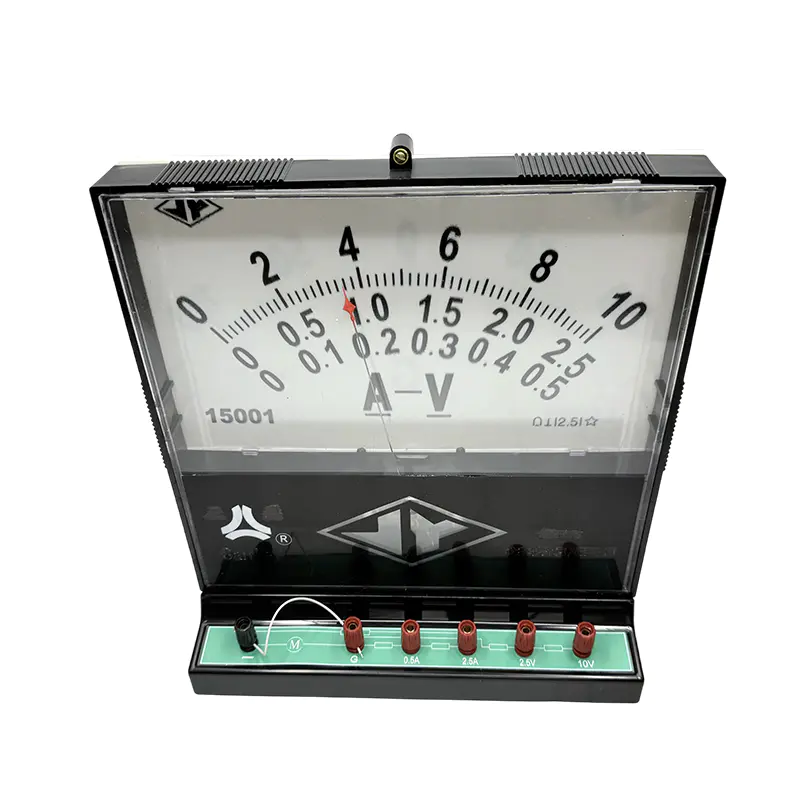
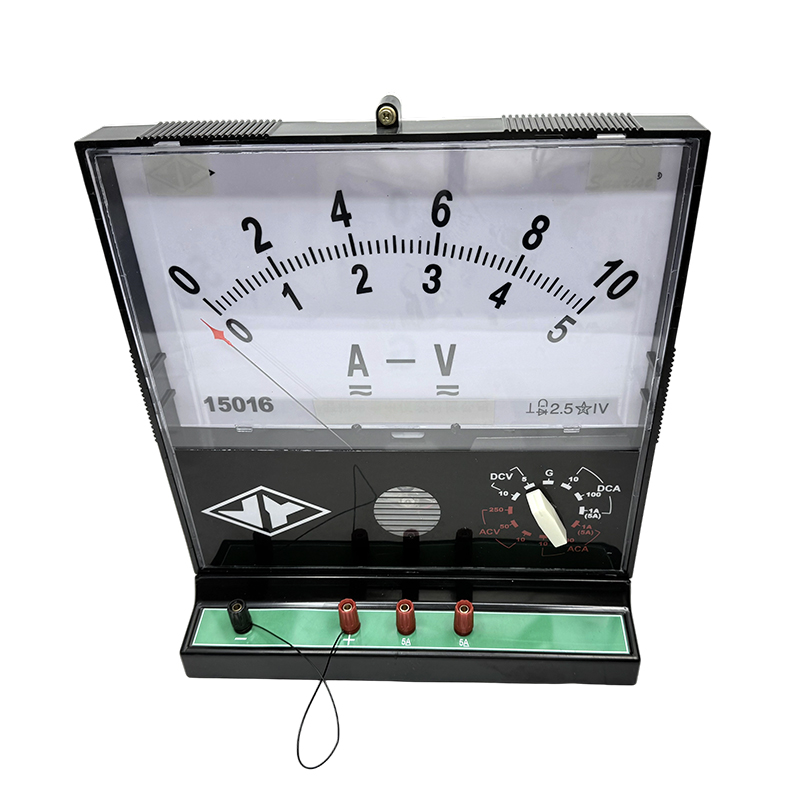
| Electrical meters | Analogue, 2.5 class, one range per meter | Digital multimeter, 0.5 class, protected inputs | Bench meters with logging and a stated calibration interval |
| Models and specimens | Large-scale, robust, few removable parts | Sectioned, labeled, partly detachable | High-detail anatomical and pathological models |
| Dissection tools | Blunt-tip scissors and plastic trays | Stainless steel kit shared by two students | Veterinary-grade kits with fine instruments |
Buying above the level wastes budget on precision nobody uses; buying below it produces broken equipment and cancelled lessons. Most schools belong in the middle column and should stay there.
A student microscope kit with matched eyepieces, prepared slides and a storage case removes the guesswork from a first optical purchase.
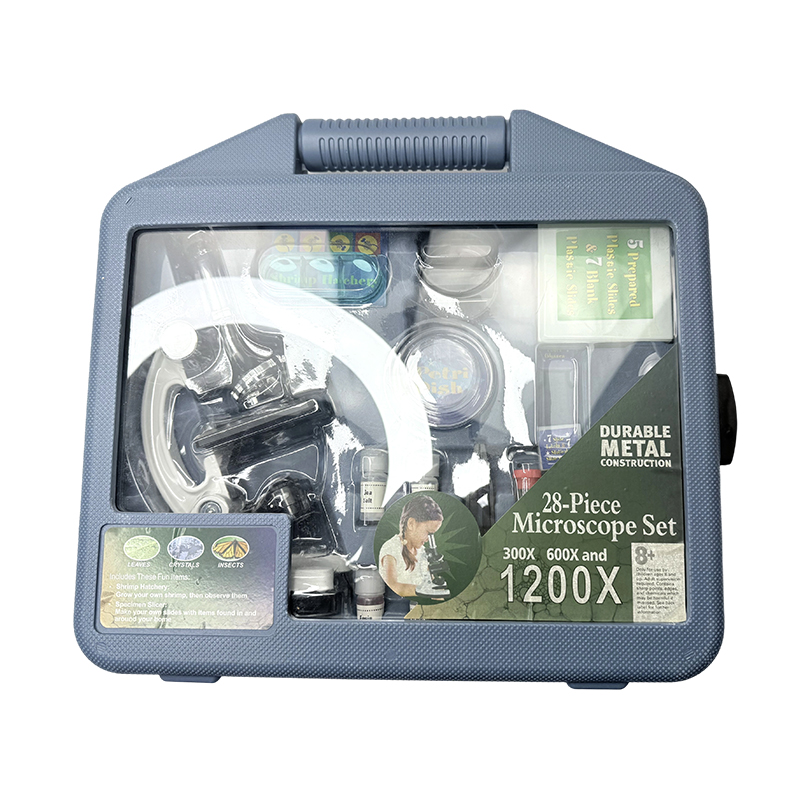 Biology Student Microscope Kit X0922Includes matched eyepieces, prepared slides, and a storage case, with 300x–1200x magnification for junior high biology experiments.View Product →
Most of the difference in service life hides in materials that never appear on a glossy brochure.
Ask for these tolerances in writing: burette graduation error, the class of volumetric glassware, the insulation resistance of meters, and the temperature stability of heating or incubation equipment.
Support hardware is where downgrades show up first and fail first, which makes a weighted iron stand a better place to spend money than a printed catalog cover.
 X0768 Laboratory Iron Stand for Chemistry TeachingSupport hardware fails first, so this X0768 lab iron stand with base, flask clamp, and iron ring is worth checking for chemistry setups.View Product →
Certification is not paperwork for its own sake. It tells you whether the factory runs a traceable quality system, and it gives you something to check against the invoice. Ask for the certificate numbers for quality (ISO 9001), environment (ISO 14001) and occupational health and safety (GB/T 28001 or an equivalent), issued in the manufacturer's own name rather than a trading company's.
Then inspect the item itself:
Quantity follows student numbers, not the phrase "class set" on a product page. These are the ratios most schools settle on:
The preparation room is where equipment actually lives, and it must be planned before delivery. Ventilated storage for preserved specimens, a drying rack for glassware, and shared items such as a water bath, sterilizer or incubator all need bench space and power. Schools that skip this step store a large order in corridors.
Shared preparation equipment is bought once and used every week, which makes it one of the better places for a school to invest.
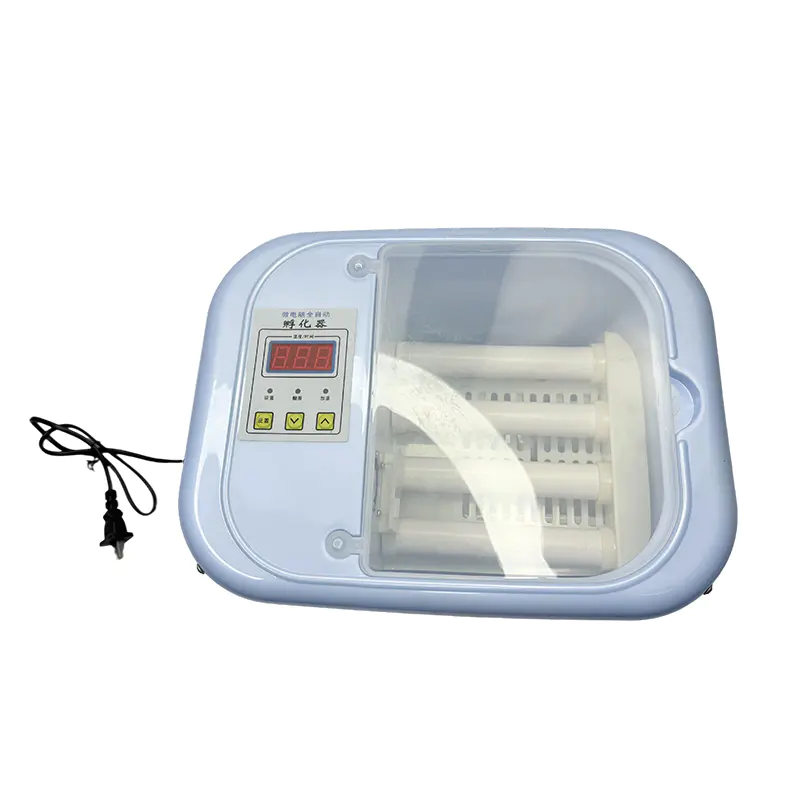 School Laboratory Egg Incubator X0911With 26.0–42.0°C control, power-off memory, and a 0–60 day timer, this X0911 incubator suits shared breeding-egg experiments.View Product →
The purchase price is roughly half the five-year cost. Ask for the following in writing before you compare quotations:
A quotation answering all five points can be compared with another that answers all five. A quotation that answers none is not a lower price; it is an unknown one.
Send your experiment list, class sizes and delivery date to the technical team and ask for a line-by-line answer through the contact page before the order goes out. Written answers are easier to compare than catalogs, and they become part of the contract.
Sixteen for pair work, or eleven groups of three if the budget is tight. Do not go below one per four students, because waiting time replaces observation time and the lesson objective is lost.
Usually the unit price is lower, but kits often include items your syllabus never uses. Compare at item level, per microscope, per meter, per glass piece. If the unused items cost less than 10 percent of the total and you expect to use them eventually, keep the kit.
With correct storage, borosilicate ware survives several years, but beakers and test tubes behave like consumables. Budget 15 to 20 percent of stock as annual replacement and check rims for chips before every lesson.
Only where the experiment depends on accuracy. Lower secondary teaching tolerates 2.5 class analogue meters, while upper secondary and vocational courses that verify laws or prepare standard solutions need digital instruments with stated accuracy and a calibration record.
Selecting lab equipment comes down to four documents: the experiment list, the specification sheet, the spare-parts price list and the certificate file. If a supplier cannot produce all four, price is the only thing you can compare, and price alone is the weakest basis for a decision that must hold up for five years of lessons.
Yuyao Xueyou Teaching Instrument Co., Ltd. has manufactured teaching instruments for physics, chemistry, biology, geography and mathematics since 2008, works from a 10,000 square meter facility in Yuyao, Zhejiang, and holds ISO 9001, ISO 14001 and GB/T 28001 certification as a member of the China Educational Equipment Association. Its range covers models, specimens, glassware, meters and complete experimental apparatus, exported to more than thirty countries. Given a written experiment list and your class sizes, the technical team can map a specification to the apparatus that meets it.
Recommended Products


+86-18630650508 +86-0574-62500588

+8618630650508

 No. 588, Chaoyang South Road, Ditang Street, Yuyao, Ningbo City, Zhejiang Province, China


 English
 русский
 Español
