2026-05-22
Content
In Q2 2026, the global teaching instruments export market continued its upward trajectory. According to the latest customs data and B2B platform statistics, Chinese-made teaching equipment and school teaching aids and supplies saw overseas inquiry volumes surge by 18.7% year-over-year. Chemistry teaching instruments, chemical glassware, and titration equipment collectively accounted for 62% of total export volume. North America and Western Europe are accelerating the digital transformation of laboratory instruments and apparatus, with smart sensors and networked stirrers under physics teaching instruments recording a 34% year-over-year order increase, making them the fastest-growing sub-segment.
Based on search and inquiry data from major global B2B procurement platforms between January and May 2026, overseas attention toward teaching instruments reveals a distinct category hierarchy. The following analysis ranks core categories by search volume:
Basic chemical glassware such as beakers, test tubes, Erlenmeyer flasks, and graduated cylinders command 35.2% of overseas searches for chemistry teaching instruments, ranking first. These high-frequency consumables experience an annual replacement rate exceeding 40% across global K-12 and university laboratory instruments and apparatus. Notably, borosilicate glass search interest has risen 28% compared to the same period last year, reflecting heightened overseas buyer attention to thermal stability and safety. Southeast Asian and African markets, driven by concentrated new laboratory construction projects, have shown the most prominent bulk inquiry growth for standard 50ml to 1000ml beakers.
Burettes, pipettes, and micropipettes collectively hold 22.8% of search share, serving as core procurement categories for university chemistry departments and vocational training institutions. 2026 data indicates that digital titrators now represent 38% of titration equipment inquiries, up from 18% in 2020, signaling a clear trend toward precision upgrades. Universities in Germany, the Netherlands, and Australia issued multiple electronic titration device tenders in Q2, with typical single-order volumes ranging from 200 to 500 units.
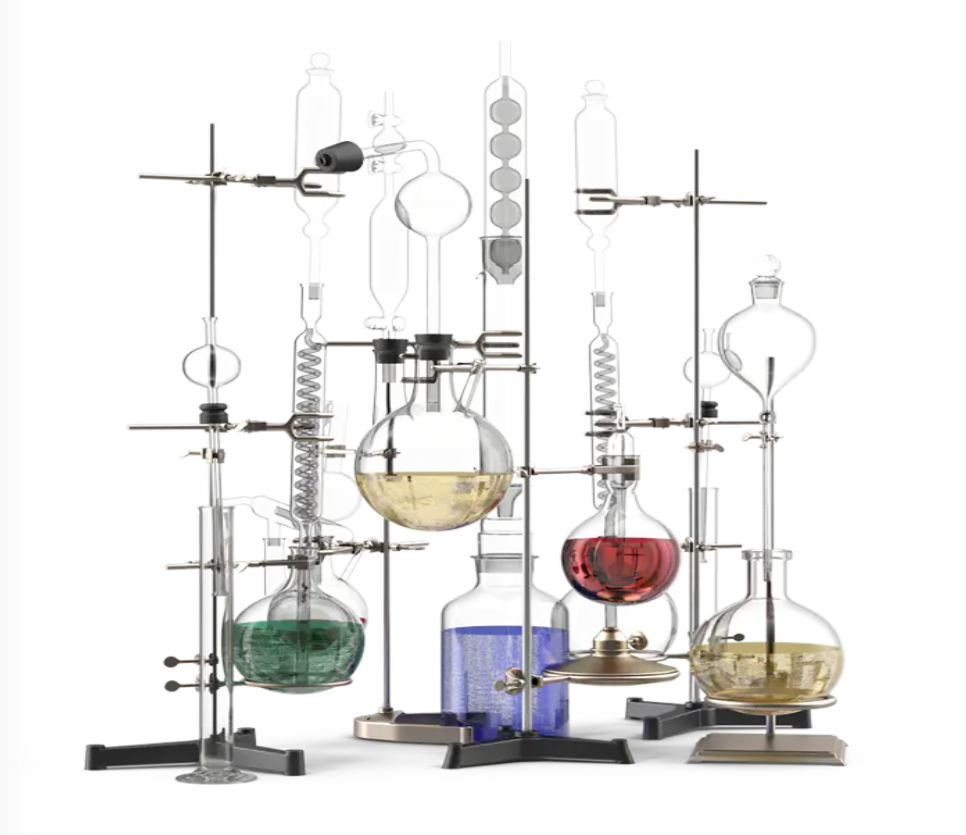
Distillation apparatus claims 16.5% of search share, ranking first among organic chemistry teaching equipment. Import volumes of such teaching instruments in India, Nigeria, Vietnam, and Kenya have grown at an average annual rate of 12.3% over the past five years. Modular distillation kits, favored for their transportability and on-site assembly convenience, continue to strengthen their competitive edge in cross-border trade. In Q1 2026, distillation components appeared as standard inclusions in 67% of chemistry teaching instrument sets exported to Sub-Saharan Africa, up from 45% in 2023.
Bunsen burners, heating mantles, fume hoods, and protective gear collectively account for 14.6% of searches. Following the EU's implementation of stricter school laboratory instruments and apparatus ventilation standards in 2024, European fume hood replacement inquiries surged 24% year-over-year in H1 2026. Protective items such as goggles and acid-resistant gloves, with repurchase cycles of only 3 to 6 months, have become high-turnover trade categories, with schools in Africa and the Middle East averaging 2.5 annual procurement cycles.
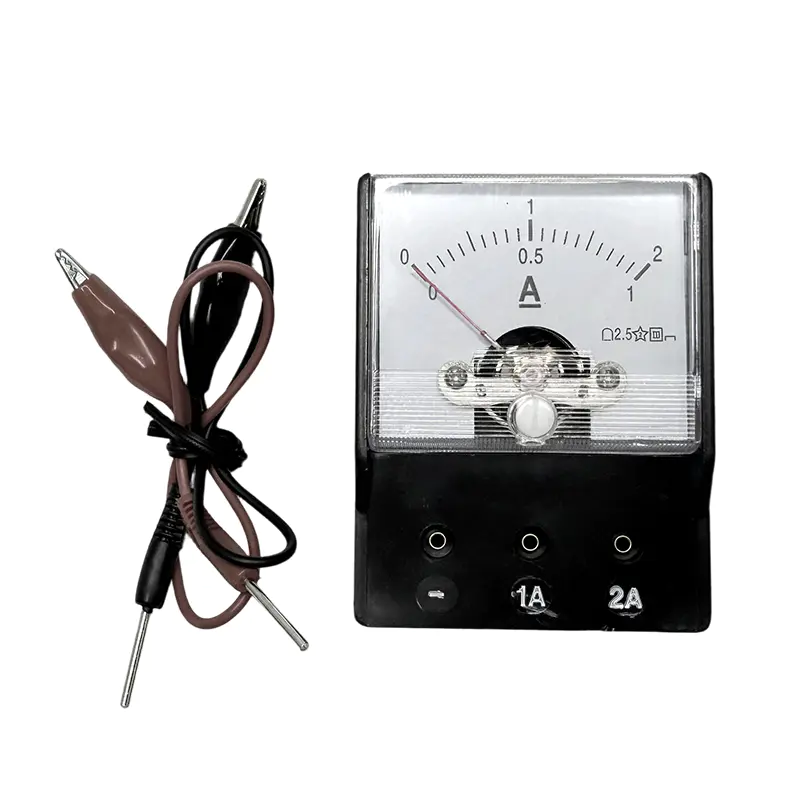
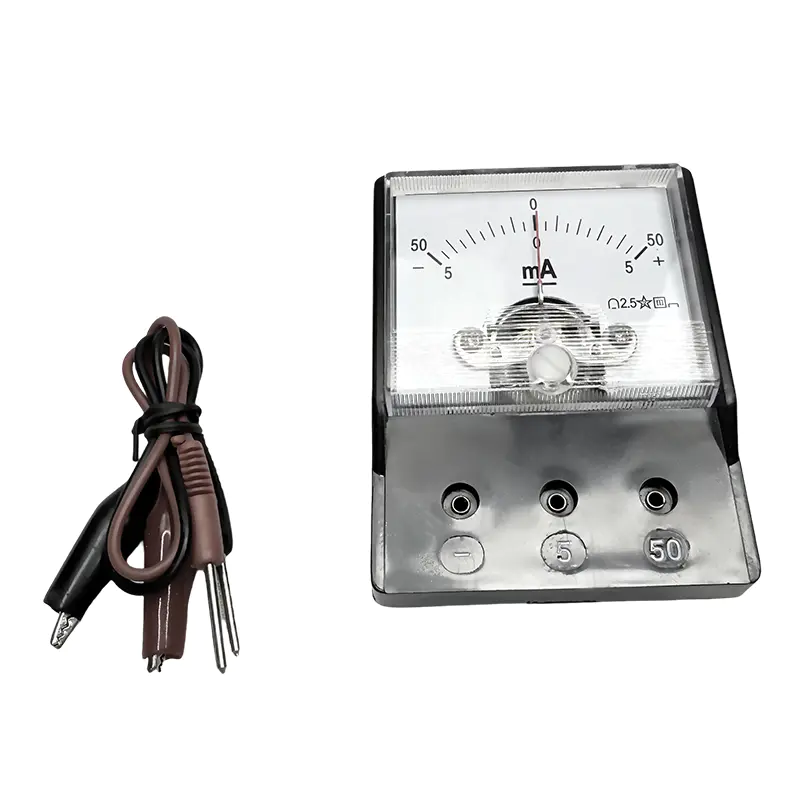
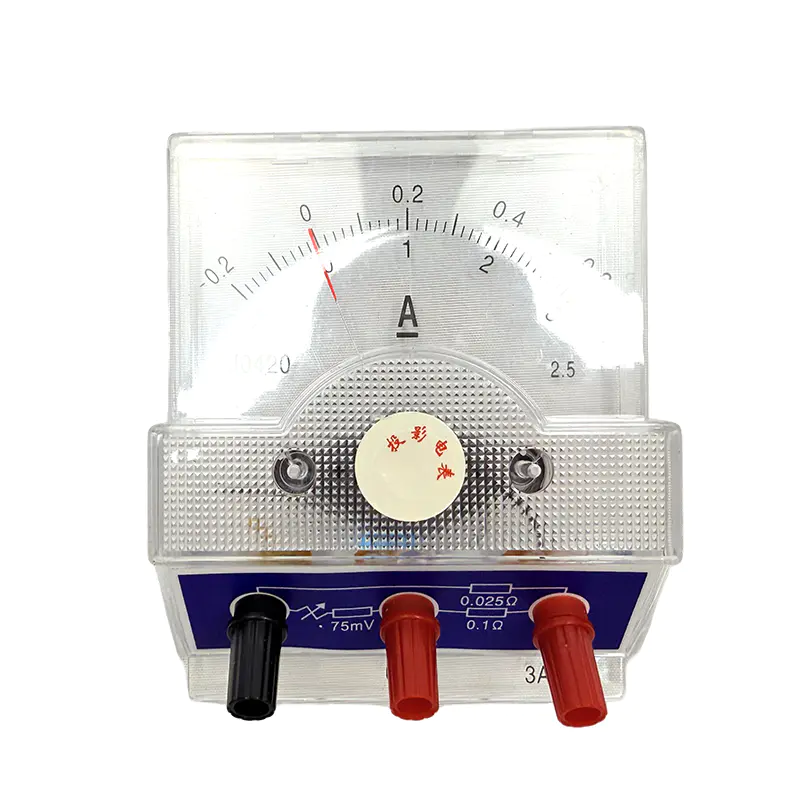
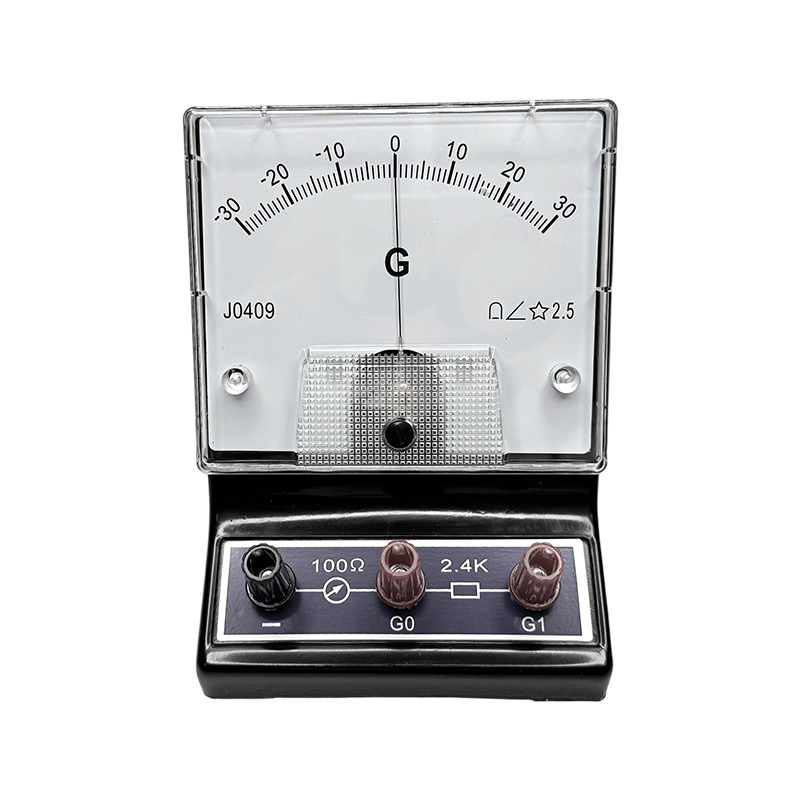
Physics teaching instruments hold 10.9% of overall search share, yet internal category performance varies significantly. Electromagnetic experiment equipment and optical experiment equipment, linked to frontier fields such as quantum computing and photonics, achieved university-level procurement growth rates of 19% and 16% respectively. By contrast, mechanics experiment equipment and thermal experiment equipment showed steadier growth, primarily satisfying secondary school basic curriculum needs. Electrical experiment equipment maintains stable shipments in vocational training markets due to the popularization of foundational circuit education.
The biology teaching instruments market leads all five teaching categories with a 7.1% compound annual growth rate. Biology teaching models and biological specimens represent the two core overseas procurement categories, with human anatomical models and plant cell section specimens accounting for 45% of segment inquiries. Educational microscopes, as foundational tools for biology experiments, saw export volumes increase 14% in 2026, with digital models capable of connecting to teaching projection systems achieving penetration rates exceeding 30% in developed nations.
While geography teaching instruments constitute a niche category, geography teaching models such as three-dimensional terrain models and solar system demonstrators maintain resilient demand in specific markets. The Middle East, where geography carries substantial weight in secondary school curricula, shows an 8% average annual growth in procurement of globes and climate observation tools among teaching instruments. GIS teaching equipment is entering university courses in select developed countries but has yet to achieve scaled exports.
Mathematics teaching instruments and educational measuring equipment account for approximately 6.5% of total teaching equipment exports, showing modest but stable growth. Geometric models, drafting tools, and mathematics experiment kits serve as primary procurement items for the K-12 segment, while educational measuring equipment such as vernier calipers, micrometers, and electronic balances see cross-utilization in secondary school physics and chemistry laboratories. In 2026, measuring tools featuring digital displays and data recording capabilities increased to 42% of inquiries, reflecting dual demands for precision and efficiency in teaching scenarios.
Science kits, as comprehensive school teaching supplies integrating multidisciplinary experiment components across physics, chemistry, and biology, recorded a 26% year-over-year inquiry growth in overseas markets during 2026. Education ministries in Africa and Southeast Asia increasingly favor one-time procurement of complete science kits encompassing teaching instruments, teaching equipment, and auxiliary consumables to reduce vendor management costs. Typical configurations include chemical glassware, basic circuit components from physics teaching instruments, biological specimens, and safety protection supplies, with single kits covering 80 to 120 experiment projects.
In H1 2026, Chinese teaching instruments exports to the Asia-Pacific region grew 23.4% year-over-year. Indonesia, the Philippines, and Bangladesh, benefiting from expanded government education budgets, significantly increased whole-school procurement orders for basic chemistry teaching instruments and physics teaching instruments. Typical single-order volumes range from 500 to 2,000 sets, with products centered on chemical glassware, Bunsen burners, electrical experiment equipment, and simple distillation apparatus. Buyer mentions of borosilicate glass specifications and ISO certifications exceeded 75% in inquiries.
The Middle East and Africa teaching equipment import market is projected to reach USD 480 million in 2026, representing 19.6% year-over-year growth. Education infrastructure investment programs in Saudi Arabia, the UAE, and Egypt have directly stimulated tender demand for complete school teaching supplies. Unlike mature markets, buyers in this region prefer one-time procurement of complete science kits containing 30 to 50 standard items, covering chemistry teaching instruments, biology teaching models, geography teaching models, and educational measuring equipment, to minimize product selection and logistics costs.
While growth rates in North America and Europe remain relatively moderate, per-unit values are high and technical requirements stringent. Smart laboratory instruments and apparatus procurement orders from US universities average USD 2,800 per unit, exceeding basic chemical glassware set values by more than 15 times. European buyers have tightened scrutiny of CE certification and ASTM standard compliance, with order cancellation rates due to incomplete certifications rising 3.2 percentage points in 2026 compared to 2024, underscoring the need for exporters to front-load qualification systems.
| Region | YoY Export Growth | Core Procurement Categories | Typical Order Scale |
|---|---|---|---|
| Asia-Pacific | +23.4% | Basic chemical glassware, physics electrical equipment | 500-2,000 sets |
| Middle East/Africa | +19.6% | Science kits, complete experiment configurations | Whole-school projects |
| North America | +11.2% | Digital sensors, educational microscopes | 50-200 sets (high unit price) |
| Europe | +8.7% | Precision chemical glassware, biological specimens | 100-500 sets |
In 2026, borosilicate glass penetration in chemical glassware exports has surpassed 55%, up 17 percentage points from 2023. Its thermal expansion coefficient is merely one-third that of soda-lime glass, withstanding instantaneous temperature differentials above 150℃ and extending service life by 2 to 3 times. Despite approximately 40% higher costs, the comprehensive cost-performance advantage has gained widespread recognition among overseas buyers, with borosilicate glass specifications mentioned in over 82% of inquiries in the premium European and North American markets.
As of May 2026, over 4,200 educational institutions globally have deployed networked teaching instruments. Smart pH meters and temperature sensors transmit experimental data in real time to teaching management platforms, enabling instructors to remotely monitor multiple experiment groups. The University of California system and the UK Russell Group universities completed large-scale laboratory instruments and apparatus renewals during the Spring 2026 semester, triggering concentrated smart instrument export order releases in Q2.
Educational microscopes are evolving from traditional optical toward digital-integrated systems, with models featuring built-in cameras and WiFi transmission recording a 31% year-over-year inquiry increase in 2026. Regarding biology teaching models, 3D printing technology has substantially enhanced the detail precision of human organ models, with detachable designs facilitating students' intuitive understanding of internal structures. Related products have achieved adoption rates of 45% in European medical schools.
Tailored to market maturity differences, the following tiered strategies are recommended:
Order cancellations and returns due to certification issues increased significantly in 2026. Exporters should ensure the following qualifications are complete:
Overseas buyers increasingly rely on online information for preliminary screening. Independent websites and product detail pages should feature 3D product displays, material composition specifications, and application scenario videos. Data indicates that teaching equipment pages equipped with complete technical parameters and downloadable certification files achieve inquiry conversion rates over 35% higher than standard pages.
The 2026 teaching instruments export market presents a dual-track pattern of stable volume in foundational categories and incremental growth in digital categories. Chemistry teaching instruments and chemical glassware continue to contribute the bulk of export value through their essential nature, while smart sensors within physics teaching instruments, educational microscopes under biology teaching instruments, and science kits are opening incremental space with growth rates exceeding 25%. For exporters, the current imperative lies in precisely matching regional demand differences while synchronously refining teaching equipment product portfolios and certification systems to secure advantageous positions in the global wave of education infrastructure upgrades.
Recommended Products


+86-18630650508 +86-0574-62500588

+8618630650508

 No. 588, Chaoyang South Road, Ditang Street, Yuyao, Ningbo City, Zhejiang Province, China


 English
 русский
 Español