2026-10-02
Content
A Grade 9 chemistry class of 45 students, one fume hood and a rack of alcohol lamps is the setting behind almost every school laboratory safety decision. The experiment kits usually get ordered first. The goggles, spill kits and storage cabinets get ordered last, often in a hurry the week before an inspection.
The practical conclusion comes first: chemistry lab safety equipment should be purchased in four functional groups, personal protection, containment and engineering controls, emergency response, and handling tools, and each item should be specified against a measurable criterion instead of a catalogue description. A fume hood is not simply a hood; it is a face velocity figure and an annual test report. An eyewash station is not a sink fitting; it is a ten-second travel distance and a fifteen-minute flush. Once those numbers reach the purchase order, the rest of the buying process becomes far easier to defend to a finance department.
Incomplete orders fail for the same reason: the buyer works from memory rather than from a structure. Sorting the requirement into four groups makes the gaps obvious and gives each item a different lifespan and a different owner.
| Group | Typical items | What to verify before ordering | Service or replacement cycle |
|---|---|---|---|
| Personal protection | Chemical splash goggles, face shields, nitrile gloves, lab coats, aprons | Marking standard (EN 166 field 3 or ANSI Z87.1), indirect ventilation, glove material tested against the real chemical list | Goggles replaced annually; gloves each session; coats laundered weekly |
| Containment and engineering controls | Fume hood, chemical storage cabinets, flammable cabinets, local ventilation | Face velocity 0.3 to 0.5 m/s at working sash height, cabinet lining material, hazard-class segregation, wall anchoring | Hood certified annually; cabinets inspected quarterly |
| Emergency response | Eyewash station, safety shower, spill kit, fire blanket, extinguisher, first aid kit | Ten-second travel distance, fifteen-minute flush, tepid water at 16 to 38 C, extinguisher rating, clear path | Weekly activation test; extinguisher service annually |
| Handling tools | Test tube holders, crucible tongs, heat-resistant mats, broken glass bins, pipette fillers | Grip length, thermal rating, temperature control, bin material | Visual inspection before every lesson |
Personal protection is the cheapest part of the safety budget and the part most often specified incorrectly. Three details decide whether it works in a classroom.
Write the size range, marking standard, material thickness and first-year quantity into the order. A line that only says "goggles, 50 pairs" will be filled with whatever the supplier has in stock.
Engineering controls take the hazard out of the breathing zone and give a class somewhere to go when something goes wrong.
At working sash height the face velocity should sit between 0.3 and 0.5 m/s. The hood needs testing at least once a year, a marked sash height, and no chemical storage inside; bottles standing in the airflow disturb it and hide leaks.
Both must be reachable within ten seconds of walking distance, on the same floor level, with an unobstructed path. The flush runs for fifteen minutes, and the water should be tepid, roughly 16 to 38 C, so a casualty stays under it instead of stepping away. A weekly activation test takes about a minute and is the single most effective maintenance habit in a school lab.
Acids go apart from bases, oxidizers apart from organic solvents. Corrosive cabinets need a lining that tolerates drips; flammable stock needs a vented cabinet or a dedicated room. Nothing should sit above eye level, and every tall unit should be anchored to the wall.
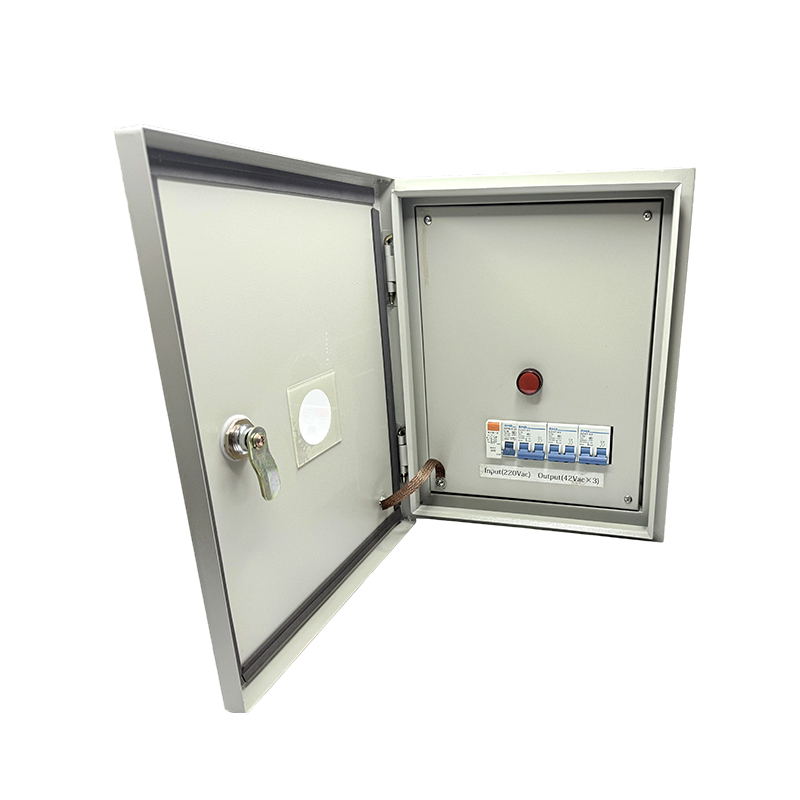 Physics chemical laboratory safety cabinetsPhysical and chemical teaching experimental equipmentView Product →
Cabinet capacity should be calculated from the real chemical inventory, not from the shelf space that happens to be free. A cabinet at 90 percent occupancy is hard to inspect and easy to overload.
The chart explains why storage and ventilation usually deserve the first budget line: the two largest categories, heat and broken glass, are also the two most easily reduced by better engineering and better handling tools.
Most classroom incidents start at the bench, not at the fume hood. An alcohol lamp produces a flame around 400 to 500 C that is nearly invisible in bright light, and hot glass looks exactly like cold glass.
Where the curriculum allows it, an electrically heated sleeve with a thermostat removes the open flame entirely and gives a repeatable temperature for water baths and distillation demonstrations.
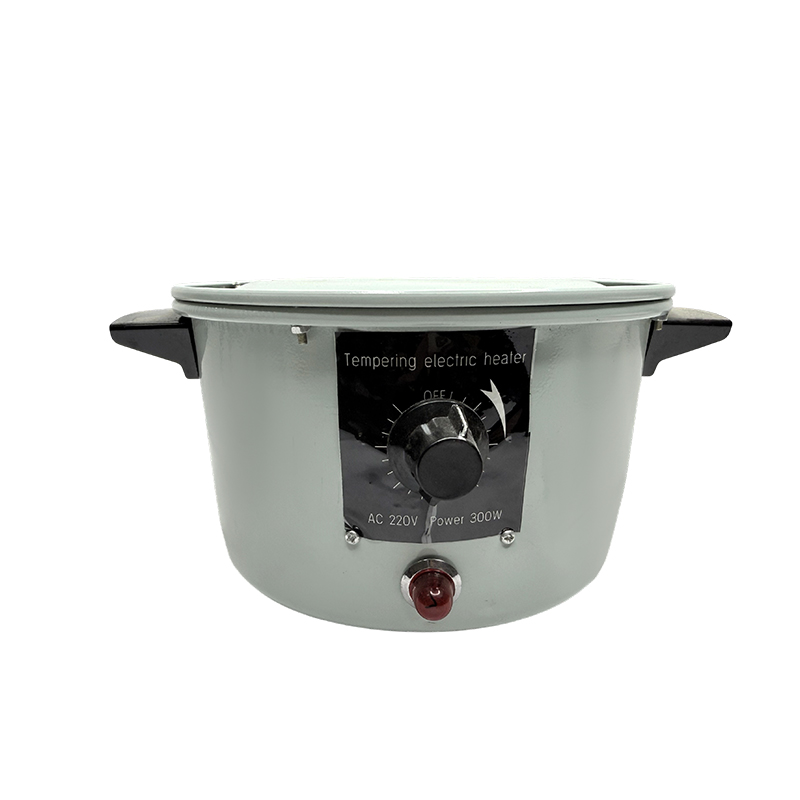 Electric adjustable temperature heating sleeve, temperature adjustable sleeveJunior high school chemistry experimental equipmentView Product →
Handling tools are inexpensive, which is precisely why they disappear between lessons. A station without tongs is a station where a student improvises with a cloth or a bare hand.
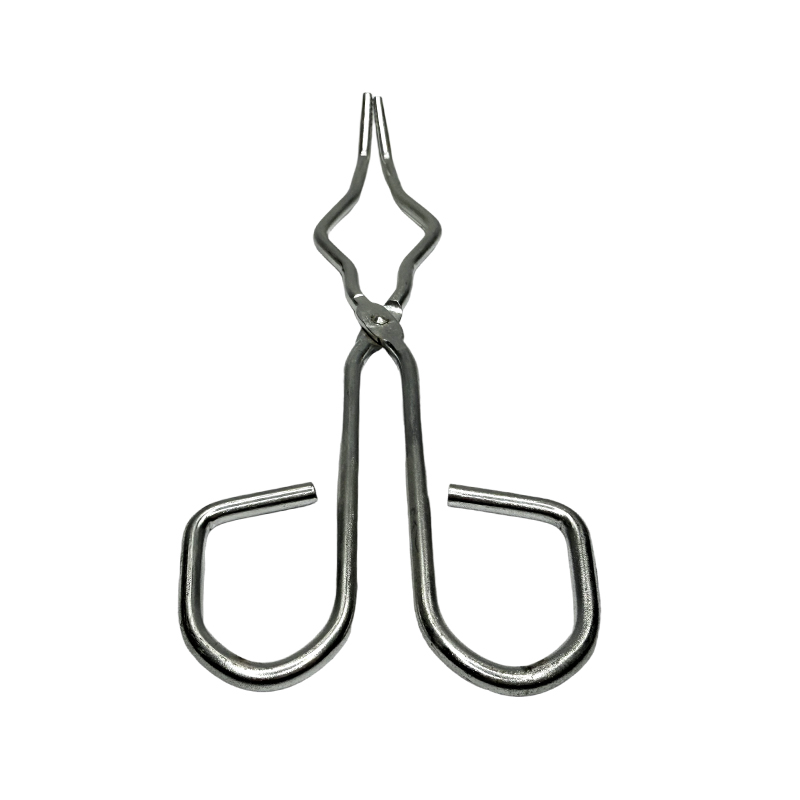 Lab chemical experiment holder crucible clamp tongsJunior high school chemistry experimental equipmentView Product →
Order handling tools in class sets rather than as single pieces, and include them in the same delivery as the experiment apparatus so that every bench is equipped on day one.
Response equipment is judged by what is inside the box, not by the box. A school chemistry spill kit should contain universal absorbent, an acid neutralizer such as sodium bicarbonate, a base neutralizer such as citric acid, goggles, nitrile gloves, a plastic scoop and waste bags for contaminated absorbent. Add a mercury kit if mercury thermometers or barometers are still in use.
For fire, keep a dry powder or CO2 extinguisher rated for the fuels actually present, a fire blanket for a small flask fire, and a sand bucket wherever reactive metals are handled. Water and CO2 are the wrong choice for many metal fires, so the extinguisher rating matters more than the unit count.
A teaching-lab first aid kit differs from a general classroom kit: sterile dressings, eye dressings, saline eyewash bottles, burn gel, tweezers and scissors, plus a written procedure for reporting every splash, burn and breakage. Keep a log with dates and initials for weekly eyewash activation, annual hood testing, extinguisher service and glove stock rotation. That log is usually the first document an inspector asks to see.
The safety list should follow the experiment list, not the other way round. A school running electrolysis of water, gas preparation, titration and crystal structure demonstrations faces a different hazard profile from one that teaches mainly with models.
This is where supplier continuity helps. Yuyao Xueyou Teaching Equipment Co., Ltd., based in Yuyao, Zhejiang, has been manufacturing teaching instruments since 2008 and covers chemistry, physics, biology, mathematics and geography in one catalogue. Because the same company builds the electrolysis apparatus, the distilled water device and the reaction equipment, its safety cabinets, heating sleeves and handling tools are designed around the way those experiments are actually performed. The company holds ISO 9001, ISO 14001 and GB/T 28001 management system certification and exports to more than thirty countries, which is useful evidence when a tender demands documented quality management.
Reviewing how other schools configured their rooms can shorten the process considerably; published school laboratory case studies show typical layouts, equipment counts and installation notes.
Enough that every student can reach one within ten seconds of walking on the same floor level, with the path kept clear. In practice that is one unit per laboratory room, plus a second in larger or subdivided rooms.
For any lesson involving liquids, powders, flame or glassware, yes. Impact spectacles are not a substitute, because they do not seal against splash from the side or below.
At least once a year, and again after any ductwork change, fan repair or room modification. Test results should be posted on the hood so teachers can see the last certification date.
Universal absorbent, an acid neutralizer, a base neutralizer, goggles, nitrile gloves, a scoop and labelled waste bags. Check the neutralizer containers each term and replace anything that has caked or absorbed moisture.
Chemistry lab safety equipment is a specification problem before it is a purchasing problem. Four functional groups, measurable criteria and a written inspection cycle will cover more risk than any single expensive item. Start from the hazard list in the actual curriculum, set the eyewash and hood positions, then order against the numbers.
If you are building or upgrading a school laboratory and want the apparatus and its safety accessories specified together, contact the team with your experiment list and room plan, and ask for the certificates and test reports before the order is confirmed.
Recommended Products


+86-18630650508 +86-0574-62500588

+8618630650508

 No. 588, Chaoyang South Road, Ditang Street, Yuyao, Ningbo City, Zhejiang Province, China


 English
 русский
 Español